

Key Takeaways
- CAD/CAM and 3D printing technologies streamline dental procedures, reducing wait times and improving results.
- Artificial intelligence is raising the bar for diagnostic accuracy and custom treatment planning.
- Minimally invasive options like laser dentistry make patient experiences more comfortable and efficient.
- Teledentistry provides vital access to care for patients who may otherwise be left out of the dental care system.
The world of dentistry is experiencing a significant transformation as innovative tools and techniques are rapidly reshaping patient care. Today, it is possible to address issues like cavities, missing teeth, and oral hygiene more efficiently than ever before, giving people access to treatments that are faster, more comfortable, and incredibly precise. For example, individuals seeking to restore their smile and improve oral functionality can now easily explore dental implants as a long-lasting, natural-looking option in modern dental clinics.
From artificial intelligence to 3D printing, leading-edge solutions are impacting everything from diagnosis to ongoing oral health maintenance. These advancements promise not only increased comfort and accuracy during dental visits but also broader access to care, particularly for underserved populations.
With the continued evolution of technologies like CAD/CAM, smart dental devices, and teledentistry, patients receive treatments that fit their lifestyles while professionals deliver superior outcomes. Ultimately, modern dentistry is redefining the standards for preventive care and restorative treatments.
Staying informed about these modern dental solutions empowers patients to make the best decisions for their oral health and well-being.
CAD/CAM Technology: Enhancing Chairside Restorations
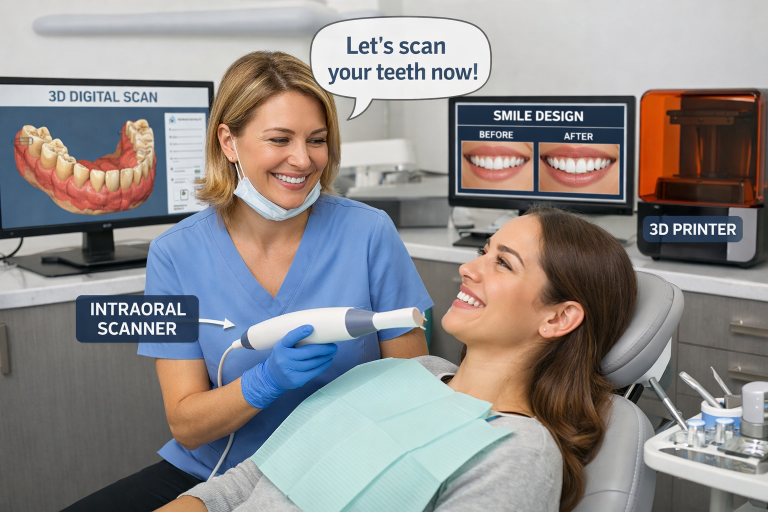
CAD/CAM technology, integrating computer-aided design and manufacturing, allows for efficient chairside dental restorations. Crowns, bridges, and veneers, which would traditionally require multiple appointments and temporary solutions, can now be completed in just one visit. For instance, the CEREC Primescan 2 system enables dentists to capture high-resolution digital impressions and send designs to in-office milling units, so patients receive permanent restorations within hours instead of days. This process not only improves accuracy but also reduces discomfort and inconvenience for the patient.
3D Printing: Streamlining Custom Dental Appliances
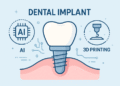
3D printing is revolutionizing dental care, allowing for the rapid, on-demand fabrication of appliances like clear aligners, surgical guides, retainers, and splints. This speed translates to fewer appointments for patients and lower production costs for practices. Modern 3D printers, such as Dentsply Sirona’s Primeprint, are capable of producing high-quality, precise dental models, drastically shortening the time between diagnosis and appliance delivery. These innovations have made custom dental solutions more accessible while maintaining high quality and aesthetics.
Artificial Intelligence in Dental Diagnostics
Artificial intelligence is a major force in improving diagnostic accuracy within dentistry. AI-powered platforms systematically review digital dental radiographs and intraoral images, alerting clinicians to potential issues like early-stage tooth decay or the beginnings of gum disease. Studies show that AI can significantly minimize diagnostic errors and streamline treatment planning, resulting in highly personalized care. According to the American Dental Association, these technologies are poised to lead to earlier interventions and more successful outcomes for patients.
Laser Dentistry: Minimally Invasive Treatments
Laser technology is increasingly popular in dental clinics, offering alternatives to traditional drills and scalpels. Used for cavity removal, gum reshaping, and even teeth whitening, dental lasers result in less bleeding, lower risk of infections, and faster healing times. Patients often experience less anxiety and discomfort, making lasers a preferred option for sensitive or anxious individuals. The adoption of lasers marks a shift toward more patient-friendly care across various dental procedures.
Teledentistry: Expanding Access to Care
Teledentistry is bridging gaps in dental care by enabling remote consultations and follow-ups. Patients in rural or underserved communities can connect with dental professionals via video calls and secure platforms, eliminating the need for lengthy travel while still receiving expert advice. This digital approach enhances accessibility and convenience, particularly valuable for preventive care, preliminary assessments, and ongoing monitoring of existing dental issues.
Robotic Assistance in Dental Procedures
Robotic systems are becoming important allies in dental surgery, where surgical precision is paramount. For example, robots like DentiBot can assist with root canal therapy and implant placement by monitoring patient movement and making real-time adjustments, leading to safer outcomes and reduced human error. As robotics technology evolves, its integration in complex dental procedures will likely become more routine and accessible, further improving patient safety and success rates.
Smart Dental Technology: Improving Oral Hygiene
Smart toothbrushes that feature Bluetooth connectivity and motion tracking sensors are now mainstream. These devices sync brushing data to smartphones, providing users with immediate feedback on technique, duration, and coverage. With built-in timers and pressure sensors, smart toothbrushes help correct poor brushing habits and encourage consistent oral hygiene. This technology supports preventive care, a cornerstone of lifelong dental health, by making daily routines both engaging and educational.
Conclusion
Advancements in dental technologies have ushered in a new era of patient-centered care, making dental solutions more accessible, comfortable, and effective. From diagnostic breakthroughs to streamlined restorative procedures, modern dentistry ensures that everyday challenges are resolved with greater accuracy and less inconvenience. By adopting these innovations, dental professionals can deliver higher standards of care, ensuring healthier smiles and improved overall well-being for their patients.