

Owning a home is an inspiring milestone, but it brings a host of responsibilities. Beyond maintaining your property and paying bills, homeowners must also remain vigilant about potential personal liability risks. Whether you are settling into your first house or have years of experience as a property owner, understanding these liability exposures can help you avoid costly claims and legal headaches. For a deeper dive into personal liability protection and insurance tips, you can read more.
Your home should be a haven for your family and guests, but even well-kept properties pose risks from daily activities, pets, visitors, and natural elements. Often, these risks aren’t immediately obvious, so proactive planning is key. Failure to address such hazards could result in financial losses that threaten your assets and future security.
By staying proactive with regular maintenance and safety measures, and by staying informed about your insurance coverage, you can minimize your exposure to many common liability scenarios. Having this knowledge enables you to create a safe and welcoming space for loved ones while keeping your assets protected.
Slip-and-Fall Accidents
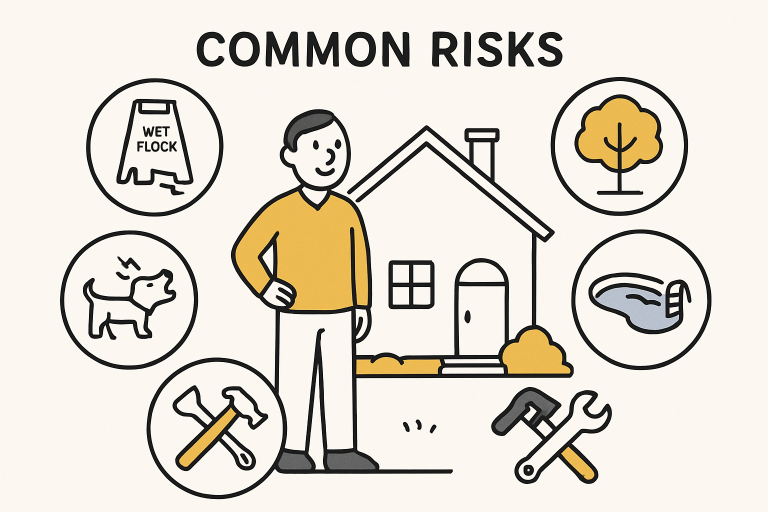
Slip-and-fall incidents are among the top causes of injuries on residential properties. Factors like wet staircases, icy walkways, uneven pavement, or dimly lit corridors can lead to accidents. According to the National Floor Safety Institute, over 8 million emergency room visits each year are due to falls. These incidents can result in broken bones, concussions, or even more serious injuries, and the homeowner could be held liable if someone gets hurt due to a neglected hazard. Regularly inspecting and repairing walkways, stairs, and entry points is an effective way to lower this risk. Installing adequate lighting and swiftly addressing hazards such as ice or water spills further minimizes potential claims.
Dog Bites and Animal-Related Incidents
Pets often feel like family, but even the calmest dogs can surprise their owners. The Centers for Disease Control and Prevention reports that millions of people are bitten by dogs each year, with more than 800,000 receiving medical care. In many cases, homeowners are liable if their animal injures a guest, a delivery person, or even another animal, regardless of where the incident occurs. Because certain dog breeds may also impact your insurance policy, it is important to properly secure, train, and supervise pets as part of responsible homeownership.
Property Damage Caused by Trees
The trees lining your yard provide both beauty and comfort, but they can also be a source of risk. If a tree falls due to neglect or disease and damages neighboring property or injures someone, the homeowner could face lawsuits or costly repairs. Routine inspections by certified arborists can detect early signs of decay or instability, while promptly removing compromised trees helps prevent damage. Proactive tree care protects your landscaping and prevents disputes with neighbors.
Swimming Pool Liabilities
Swimming pools offer a great way to stay cool and have fun, but they also pose serious liability risks. Drowning, slips, and unauthorized access are significant concerns, even when someone enters the property without your knowledge. Many states require specific safety barriers, such as fencing or locked gates, to prevent accidental injuries. Installing alarms, enforcing strict supervision, and posting clear rules help prevent tragedies and demonstrate responsible homeownership.
Contractor and Service Provider Injuries
Contractors, landscapers, cleaners, and other service providers may need regular access to your home. If an injury occurs because safety precautions were neglected, you could be held responsible. Always hire professionals who are fully insured and bonded, and verify their coverage before any work begins. Besides offering financial protection, this habit reassures everyone involved and supports a safe working environment during home improvement projects.
Attractive Nuisances
Items on your property that are appealing to children, such as trampolines, treehouses, playsets, or decorative ponds, are considered attractive nuisances. Under the attractive nuisance doctrine, homeowners must take extra precautions to secure these features and protect trespassing children who may not appreciate the risks. Fencing, locked gates, and warning signs are all important steps for reducing the likelihood of liability claims and meeting legal requirements.
Underinsurance Risks
Many homeowners overlook the importance of carrying adequate coverage and only realize they are underinsured after a claim is filed. In the event of a major accident or disaster, underinsurance could leave you with significant out-of-pocket expenses to rebuild or replace what was lost. Regularly updating your policy to reflect current rebuild costs and an accurate inventory of your household items ensures you have the financial support you need when it matters most.
Preventive Measures and Insurance Coverage
Reducing liability risk starts with a proactive mindset. Schedule annual maintenance walkthroughs of your property to catch hazards early, secure all animals and recreational features, and check that your home is well-lit and safe for visitors. Review your policy limits at least once a year and discuss potential liability scenarios with your insurance provider. In addition, consider investing in umbrella liability coverage for extra protection against large lawsuits or unexpected incidents.
Being an informed and conscientious homeowner is the best way to safeguard your family, guests, and financial well-being. By addressing these common risks, you can enjoy your home with peace of mind and minimize the risk of future liability disputes.