


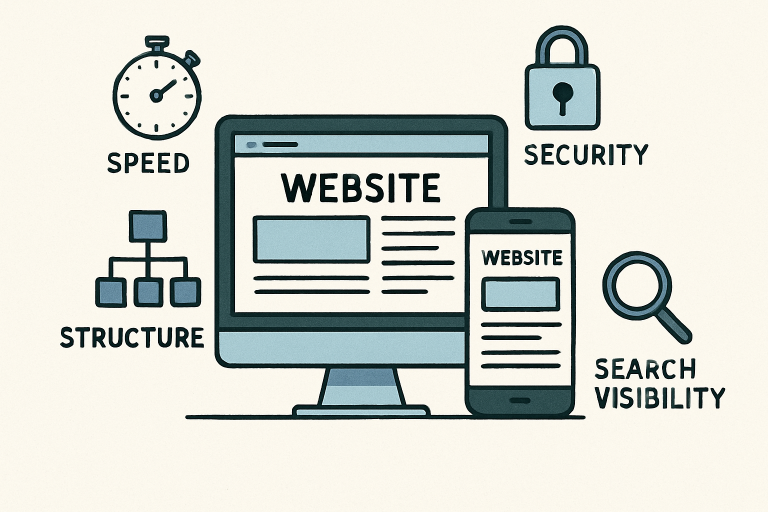
In the ever-evolving digital landscape, a website’s visibility and performance hinge not only on content but also on its technical foundation. Modern search engines evaluate a multitude of behind-the-scenes elements to determine how easily a site can be crawled, indexed, and understood. As a result, understanding core Technical SEO practices has become essential for webmasters and marketers alike. From optimizing site speed and ensuring mobile compatibility to managing structured data and secure connections, these elements collectively shape the user experience and influence search rankings.
For those seeking a structured approach, resources such as https://victorious.com/services/seo/technical-seo/ provide detailed guidance on implementing key technical improvements. These best practices cover everything from improving crawlability to optimizing site architecture, helping sites perform efficiently across devices and browsers. By focusing on these foundational elements, website owners can reduce technical barriers that hinder search engine visibility, improve user navigation, and support long-term digital growth. Understanding and applying these fundamentals ensures that a website is not only accessible but also positioned for sustainable online success.
Core Web Vitals: Measuring User Experience
Core Web Vitals are the new standard for assessing a website’s user experience. These metrics provide a clear benchmark for site owners. They include:
- Largest Contentful Paint (LCP):Represents how quickly your main content loads; under 2.5 seconds is ideal.
- Interaction to Next Paint (INP):Assesses responsiveness by measuring the time from user interaction to visual update; below 200 milliseconds is best practice.
- Cumulative Layout Shift (CLS):Evaluates how stable your content is while loading; sites should aim for a score lower than 0.1.
Optimizing Core Web Vitals not only improves user satisfaction but also directly impacts organic rankings. Since fewer than half of all websites meet all Web Vital thresholds, focusing on these factors can yield a tangible competitive advantage.
Mobile-First Indexing: Catering to Mobile Users
Over half of all internet traffic comes from mobile devices, making mobile-first design imperative. Google now uses the mobile version of content for indexing and ranking, so sites must be fully optimized for all devices. Key actions include:
- Creating responsive layouts that adapt to different screens and orientations.
- Compressing images and media files to ensure speedy mobile load times.
- Designing tap targets that are large and spaced out enough for touch navigation.
Mobile optimization nourishes both SEO performance and the overall user experience. It reduces bounce rates, increases engagement, and can dramatically improve a site’s search visibility.
Site Architecture: Building a Logical Structure
Organizing your website’s structure is a foundational aspect of technical SEO. Proper architecture ensures that both users and search engine bots can easily navigate through pages and understand how information is grouped. Recommendations include:
- Developing a clear content hierarchy with topic-focused silos.
- Implementing breadcrumb navigation to make internal linking and user orientation effortless.
- Keeping URLs concise, readable, and keyword-relevant.
- Using internal links to connect important content, so every critical page is accessible within three clicks from the homepage.
A logical site structure improves crawl efficiency, helps consolidate topical relevance, and reduces the risk of orphaned content. Both search engines and visitors will reward a site that is fast and intuitive to navigate.
Secure Connections: Implementing HTTPS
A secure website is a basic expectation for today’s users, and HTTPS is a direct ranking factor. Switching your site to HTTPS is vital for protecting user data and building trust. The process involves:
- Installing an SSL certificate to encrypt web traffic.
- Redirecting all old HTTP URLs to their HTTPS equivalents.
- Resolving any mixed content issues that might cause browser alerts or degrade user experience.
Sites with HTTPS earn more trust, protect their information, and signal to search engines that they prioritize user safety. Non-secure content can lead to warnings and potential ranking penalties, underscoring the need for full site encryption.
Structured Data: Enhancing Search Visibility
Schema markup, often called structured data, communicates the meaning of your content to search engines. This extra layer enables Google to generate rich results, such as article previews, product reviews, or FAQ sections. Consider enriching these elements:
- Article schema for blog posts or news stories to maximize visibility in news carousels.
- Product schema for e-commerce listings, ensuring key details like price and stock appear directly in search results.
Properly implemented structured data can improve organic click-through rates and help your site stand out in competitive search environments. Learn more about types of schema and their benefits by visiting Search Marketing Club’s article on Google Search leadership transition.
Regular Audits: Maintaining SEO Health
Maintaining technical SEO success requires ongoing vigilance through scheduled audits. Systematic reviews identify minor issues before they become major problems that could impact rankings. Areas to focus on include:
- Monitoring for crawl errors and problematic URLs in Google Search Console.
- Eliminating broken links to sustain healthy site authority.
- Ensuring XML sitemaps are up to date and accurately reflect your site’s structure.
- Using canonical tags to manage duplicate content risks.
- Setting robust robots.txt instructions to guide search bots effectively.
Utilizing automated tools streamlines this process and ensures that nothing is missed in a technical health check. Regular audits mean peace of mind—your site remains healthy, discoverable, and primed for lasting performance.
Conclusion
Technical SEO is a continuous investment in your website’s present and future. Staying vigilant with performance benchmarks, supporting secure infrastructure, optimizing mobile and structured data, and maintaining a logical hierarchy are vital steps that repay site owners with higher rankings and deeper user engagement. When technical SEO is prioritized, your online presence can truly thrive no matter how the digital landscape evolves.