

Modern homeowners are redefining curb appeal by adopting landscape design trends that prioritize both visual impact and environmental responsibility. These trends promote beauty with a conscience, guided by innovative practices and sustainable solutions. As interest in eco-friendly landscaping continues to rise, homeowners need to choose methods and materials that not only enhance outdoor spaces but also preserve natural resources.
If you’re looking to transform your front yard with a focus on sustainability and timeless style, My Sons Landscape is a proven partner in the field. As a division of My Son’s Landscaping & Fencing, a company renowned for its commitment to excellence and community-focused values, they deliver expert design and installation services across the California Bay Area. Their reputation is built on creating environmentally responsible landscapes that thrive in the local climate. When you choose My Son’s Landscaping & Fencing, you gain a dedicated team seasoned in eco-friendly solutions, water-wise design, and custom outdoor environments tailored to the needs of modern families.
Embracing Native Plant Landscaping
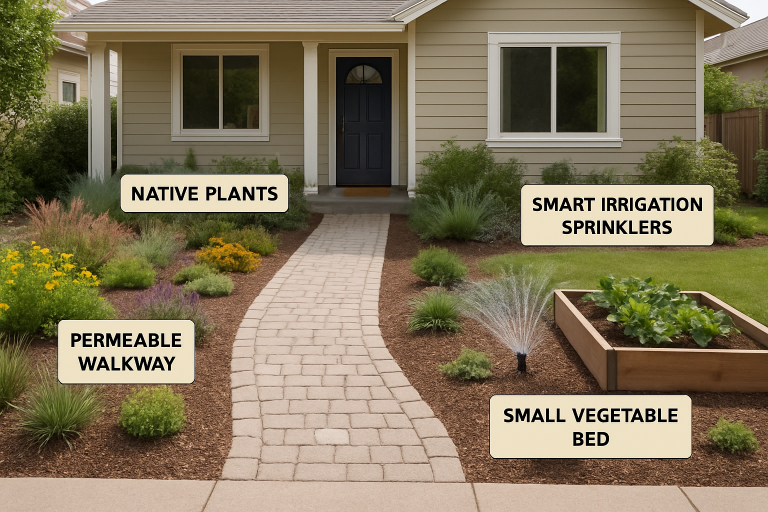
Native plant landscaping is a cornerstone of sustainable curb appeal. By leveraging plants that are indigenous to your region, you significantly reduce the need for supplemental watering, fertilizers, and chemical maintenance. Native wildflowers, grasses, and shrubs flourish with minimal intervention, supporting local pollinators such as butterflies and bees. Flipping the script on traditional lawn-heavy designs, native gardens bring color and texture throughout the seasons while providing habitat for beneficial wildlife. This low-maintenance approach conserves water and can make a dramatic visual impact, particularly in drought-prone areas.
Implementing Smart Irrigation Systems
Technology is reshaping home landscaping through smart irrigation systems. These systems rely on weather-tracking and soil-moisture sensors to customize watering schedules, ensuring plants receive water only when necessary. Homeowners can now monitor and control irrigation remotely, reducing water waste and nurturing healthier landscapes. Not only do smart irrigation solutions save money on utility bills, but they also enable gardens to thrive even under strict water restrictions—a critical advantage for sustainable homeownership in changing climates.
Incorporating Eco-Friendly Hardscaping
Hardscaping—such as walkways, patios, and retaining walls—offers structure and usability to outdoor spaces, but the choice of materials matters greatly for sustainability. Permeable pavers, for example, allow rainwater to filter through and replenish groundwater tables rather than running off into storm drains. Prioritizing recycled, locally sourced, or reclaimed materials reduces your carbon footprint and supports local businesses. Incorporating gravel or decomposed granite into garden paths further minimizes impervious surfaces and enhances overall water infiltration.
Creating Vertical Gardens
Vertical gardens, also referred to as living walls, maximize limited outdoor real estate and infuse compact spaces with lush greenery. By growing plants upward on trellises, fences, or specially designed panels, homeowners can add visual interest and boost air quality even in densely built urban environments. Vertical gardens can double as privacy screens or natural art installations, blending seamlessly with patios and entryways. They also create habitat for beneficial insects and birds, contributing to the ecological richness of your property.
Integrating Edible Landscaping
Blending ornamental and edible plants is a trend on the rise. Fruit trees, berry bushes, herbs, and even vegetables can be integrated into flower beds or border plantings, delivering harvests of fresh produce and fragrant blooms. Edible landscapes cut grocery costs, encourage hands-on outdoor activity, and deepen the homeowner’s connection to local food systems. A well-designed edible garden does not compromise on curb appeal; instead, it celebrates beauty with function, resulting in a dynamic and inviting front yard.
Utilizing Sustainable Materials
Sustainable material choices make a significant difference in a landscape’s overall footprint. Reclaimed wood, recycled content pavers, and natural stone are increasingly embraced not just for their eco-benefits but also for their unique appearance and durability. These materials typically require less chemical treatment and frequent replacement, contributing to both cost savings and environmental health over time. Their use affirms a commitment to responsible resource management and crafts a landscape that feels enduring and authentic.
Focusing on Water Conservation
Water conservation remains at the heart of sustainable landscape design. Xeriscaping introduces drought-tolerant plants such as succulents, lavender, and ornamental grasses—minimizing the need for irrigation while offering a sophisticated visual impact. Rain barrels and rain gardens capture stormwater that would otherwise be lost, repurposing it to nourish plantings. As climate patterns shift, integrating water-wise strategies is essential for maintaining vibrant outdoor environments that can withstand both dry spells and heavy rainfall.
Enhancing Curb Appeal with Sustainable Practices
Adopting sustainable landscaping not only reduces long-term maintenance but also enhances the beauty and value of your home. These forward-thinking trends—when executed by professionals like the team at My Son’s Landscaping & Fencing—reflect a blend of modern style and environmental stewardship. By choosing responsible plantings, efficient systems, and thoughtful layouts, today’s homeowners can ensure their properties remain welcoming, beautiful, and resilient for years to come. For more insights and updates on sustainable living, check out major publications like Architectural Digest, which regularly features new trends in home landscaping and design.