



Key Takeaways
- Selling a house as-is means buyers accept it in its current condition, but sellers are still responsible for disclosing known defects.
- The as-is process can speed up the sale, but often comes with a lower sale price and a more selective group of buyers.
- Knowing your state’s disclosure laws and investing in minor cosmetic fixes can improve your property’s market value even in an as-is sale.
Selling your home “as-is” offers relief from time-consuming repairs and renovations, yet there are several important factors homeowners need to understand before committing to this path. Depending on the property’s condition, this strategy can simplify the sales process but may also impact your home’s market value. If you are exploring options for a quick sale, you might benefit from resources like https://www.housebuyersrgv.com/, which help homeowners navigate the process efficiently.
Offering your property in its current condition can be a practical decision if you lack the time or resources to make updates. Buyers should be aware that “as-is” does not mean sellers are excused from disclosing problems with the property. Evaluating both the risks and rewards of this approach will help you set realistic expectations for the transaction.
Sellers must also recognize that selling as-is can lead to a different type of negotiation and buyer pool than a conventionally listed home. Setting the right price and handling legally required disclosures are essential steps to a successful as-is sale.
Understanding As-Is Sales
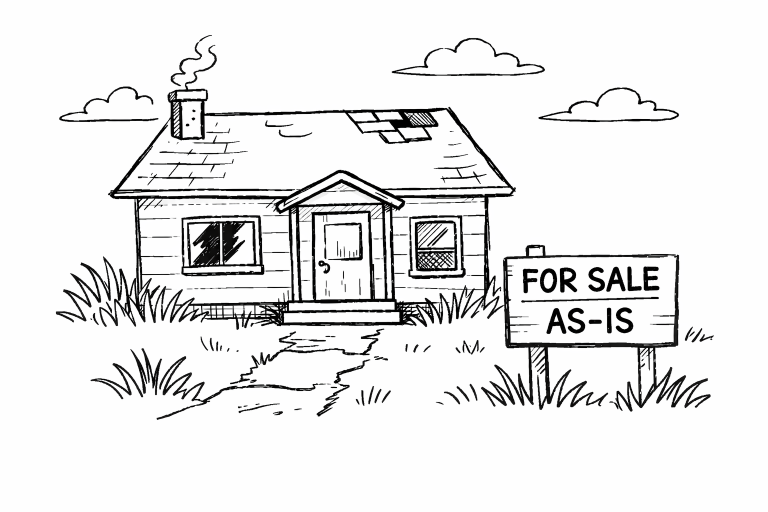
When you sell “as-is,” the property is marketed in its present state. No repairs or improvements are made before the sale, and the buyer understands that what they see is what they get. This approach is especially appealing to sellers who want or need to sell quickly, are dealing with inherited properties, or face financial constraints that make renovations unfeasible. In many cases, working with experienced buyers like House Buyers RGVcan help streamline this process, as they are familiar with purchasing properties in their current condition and can often close faster than traditional buyers.
It is important to note, however, that “as-is” does not place all the responsibility on the buyer. Sellers must still be forthcoming about any known issues to ensure an honest and legal transaction. The “as-is” label simply communicates that the seller will not invest further in the property.
Legal Obligations and Disclosures
Sellers are legally mandated to disclose material defects that could affect the home’s value or safety. Laws vary by state, but most require you to fill out a disclosure form outlining what you know about your property. Failing to disclose problems like roof leaks, foundational cracks, or termite damage can result in lawsuits even after the sale closes. For example, in states such as California, strict disclosure requirements exist to protect both buyers and sellers.
Transparency allows buyers to make informed decisions and reduces the likelihood of disputes after closing. This not only builds trust but also speeds up the transaction, as informed buyers are less likely to back out or renegotiate the price late in the process.
Pros and Cons of Selling As-Is
Pros:
- Faster Sale: Bypassing time-consuming repairs means the home can reach the market sooner and attract buyers who are specifically interested in as-is properties.
- Reduced Out-of-Pocket Expenses:Sellers avoid the costs associated with fixing up the house, which can be substantial, especially for older properties.
Cons:
- Lower Sale Price: Buyers expect a discount to offset the repairs and updates they will need to make, which usually results in a lower market value for as-is properties.
- Limited Buyer Interest: Many traditional buyers or those seeking move-in ready homes may avoid an as-is listing, narrowing your pool to investors, flippers, or buyers with significant cash reserves.
An honest evaluation of your priorities and the property’s condition will clarify if selling as-is is the right move for you. A balanced approach that factors in speed versus price can lead to a satisfactory outcome.
Enhancing Property Appeal Without Major Investments
You do not have to invest heavily to enhance your property’s marketability. Start by decluttering and cleaning every room, as a tidy appearance helps buyers see the home’s potential. Pay special attention to common areas and remove unnecessary personal items.
- Minor Repairs: Inexpensive fixes such as repairing damaged screens, tightening loose doorknobs, and patching holes can make a positive impression with minimal effort.
- Curb Appeal: Simple landscaping activities such as mowing the lawn, trimming hedges, and adding fresh mulch create a welcoming first impression without breaking the bank.
These basic improvements can make a significant difference, even if you are not undertaking large-scale updates.
Effective Pricing Strategies for As-Is Sales
Pricing an as-is property requires a careful review of local sales data for similar homes. Avoid overpricing, as it can keep your home on the market for months. Conversely, undervaluing the property can cause significant financial loss. Consider a licensed real estate agent’s opinion or seek a professional appraisal to determine the optimal price point for your situation.
Prospective buyers will factor in repair costs, so a competitive price should reflect both current market demand and your home’s condition. A well-thought-out pricing strategy will help attract the right buyers quickly.
Current Market Trends Impacting As-Is Sales
Real estate trends directly influence an as-is sales strategy. In a seller’s market, where inventory is low and buyer competition is high, as-is homes are more likely to attract strong offers even if repair needs are evident. In contrast, a buyer’s market can make it harder to close unless the price is highly competitive.
Remain vigilant regarding your region’s housing supply, interest rates, and buyer behaviors.
Final Thoughts
Selling your house as-is can be a practical and efficient solution if you want to avoid extensive repairs or quickly transition out of your property. Understanding legal disclosure requirements, investing in minor cosmetic improvements, and setting a realistic price are the cornerstones of a successful as-is transaction. With the right knowledge and professional advice, you can achieve a smooth sale and meet your goals even when selling as-is.