

Heavy metal toxicity is a health condition that arises when metals like lead, mercury, cadmium, or arsenic accumulate in the body to hazardous levels. These toxic metals can negatively affect nearly every organ and system, making early detection of symptoms critically important. Understanding the warning signs, underlying causes, and prevention strategies can help individuals safeguard their well-being. For more information on heavy metal buildup and its impact on health, visit ivelements.net for a comprehensive overview of risk factors and solutions.
Even seemingly minor signs may indicate underlying heavy metal exposure, and early intervention can prevent complications. By staying alert to these signals, especially if you are in a higher-risk population, you can take timely action and reduce your risk of long-term health problems. Many people are unfamiliar with heavy metal toxicity, and learning about the early symptoms can empower them to seek medical attention before serious health consequences develop.
Recognizing early signs is not just about avoiding major health risks. It also helps individuals improve their quality of life and reduce chronic issues associated with prolonged exposure. Employees in certain industries, residents of older homes, or those with specific dietary habits may be at greater risk and should remain extra vigilant.
Being proactive is key. Awareness and education about heavy metal sources and symptom recognition will significantly improve the chances of early diagnosis and effective treatment.
Common Early Symptoms
The human body has natural defenses, but persistent exposure to heavy metals can overwhelm these protective mechanisms. Recognizing symptoms early may lead to a quicker diagnosis and better outcomes. Typical early warning signs include:
- Fatigue and Weakness: Ongoing exhaustion that does not resolve with sleep can be a sign that heavy metals are impeding the body’s cellular processes and causing a drop in energy production.
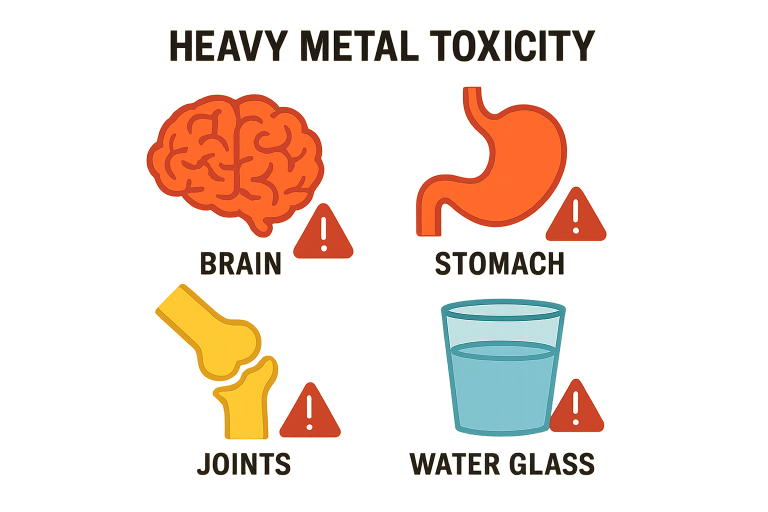
- Digestive Issues: A disrupted digestive system is often one of the first signs, manifesting as nausea, vomiting, diarrhea, or constipation.
- Neurological Symptoms: Heavy metals such as lead and mercury are particularly notorious for affecting brain function. Early neurological signs include brain fog, poor memory, and difficulty with concentration. According to the Centers for Disease Control and Prevention (CDC), exposure to certain heavy metals can cause neurobehavioral problems in both children and adults.
- Headaches and Migraines: In some cases, chronic or frequent headaches may stem from metal-induced inflammation or reduced oxygen delivery to the brain.
- Muscle and Joint Pain: Accumulation in joints or muscle tissues can result in unexplained pain or stiffness, which is often misdiagnosed as arthritis or other inflammatory conditions.
- Numbness or Tingling Sensations:Metals that affect nerve function, such as mercury, lead, and arsenic, can trigger feelings of numbness or tingling, especially in the hands and feet.
- Mood Changes: Fluctuations in mood, increased anxiety, or sudden episodes of depression might also be connected to disruptions in neurotransmitter function caused by heavy metal exposure.
Potential Sources of Exposure
Understanding possible sources of exposure is vital for effective prevention and management. Heavy metals may enter the body through environmental, occupational, or dietary routes. Key sources include:
- Occupational Exposure: Individuals working in industries such as mining, manufacturing, construction, or battery production are at increased risk of exposure through inhalation or skin contact.
- Contaminated Water: Drinking water that contains metals, such as lead or arsenic, is a common source, especially in areas with outdated plumbing or industrial pollution.
- Old Paints and Pipes: Buildings constructed before the late 1970s may contain lead-based paint or plumbing, which can flake or leach toxic particles into your environment.
- Seafood Consumption: Certain species, especially large predatory fish such as tuna and swordfish, accumulate high concentrations of mercury over their lifespans.
When to Seek Medical Attention
If you experience persistent or unexplained symptoms outlined above and have been potentially exposed to heavy metals, it is essential to consult a healthcare professional. Early medical evaluation usually involves a combination of patient history, physical examination, and laboratory tests, such as blood or urine analyses, to assess the burden of heavy metals. Timely intervention can halt or reverse the harmful effects of exposure and is especially important for vulnerable groups such as children, pregnant women, and workers in high-risk occupations.
Preventive Measures
Adopting preventive strategies can greatly reduce the risk of toxicity. Individuals should:
- Ensure Safe Drinking Water: Regularly check household water sources for contamination and use filters certified to remove heavy metals if necessary.
- Maintain a Balanced Diet: Diets rich in calcium, iron, and vitamin C can lower the body’s absorption of certain metals. Diversifying protein and plant sources can also help decrease exposure risk.
- Use Protective Equipment: In occupational environments, wearing gloves, masks, and other safety gear is vital. Employers should follow recommended health protocols to reduce workplace exposure.
- Test Living Environments: Residents of older houses or apartments should have paint, pipe, and soil samples tested for heavy metal content by certified professionals.
Education and awareness form the foundation of prevention. By reducing exposure and remaining vigilant to health changes, individuals can contribute to their own safety and well-being.
Final Thoughts
Early recognition of the warning signs of heavy metal toxicity is essential for preventing severe health consequences. Understanding sources of exposure and adopting preventive measures can protect you and your loved ones from potential harm. If symptoms develop or your risk factors are high, seeking timely medical evaluation is crucial. Staying informed and proactive will give you peace of mind and a better chance at a healthy, toxin-free life.