


Facing a legal challenge can be overwhelming, but selecting the right Legal representation can significantly ease your journey. With countless law firms and specialists available, it is essential to approach the decision carefully and with preparation. A reliable lawyer does more than just represent you in court; they provide guidance, assurance, and clarity through complex situations. Trusted firms like Cambridge Law can be a valuable resource to consider as you begin your search.
Before rushing into a decision, it is important to understand the steps involved in choosing an attorney who is aligned with your unique needs and goals. Your choice can influence the outcome of your case, the length of time it takes to resolve, and your overall peace of mind throughout the process.
Identify Your Legal Needs
Start by defining what kind of legal representation you require. Law is a broad field encompassing specializations such as family law, criminal defense, real estate transactions, personal injury claims, business law, and more. Pinpointing your issue will help you filter candidates more effectively, ensuring you direct your efforts toward lawyers who have proven experience in the appropriate field.
For example, if you are dealing with a contract dispute, you will benefit more from a lawyer experienced in business or contract law than one whose practice is devoted to criminal defense. Taking time to understand the specific legal landscape surrounding your case will ultimately put you in a stronger position and save you time searching for the right fit.
Research Potential Attorneys
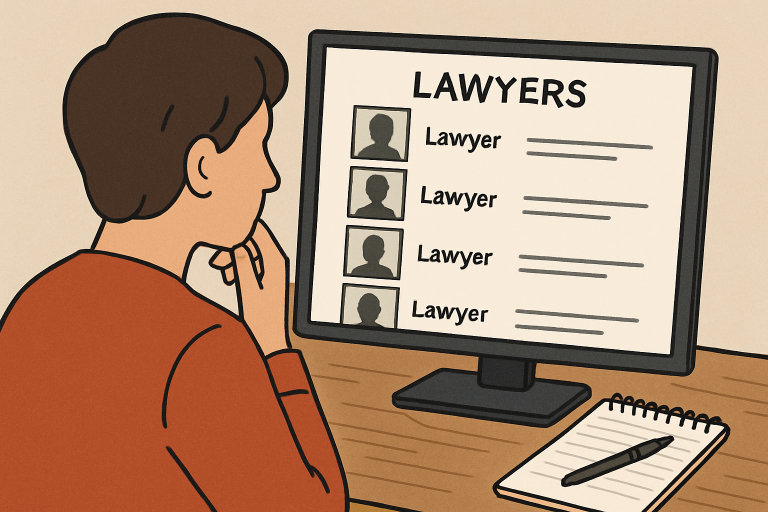
Once your needs are clear, begin compiling a list of potential attorneys. The internet offers a wealth of resources, from law firm websites to independent review platforms that show lawyers’ practice areas, backgrounds, and client feedback. Firms often provide detailed profiles so you can see their experience and credentials. Personal recommendations can also be helpful. Ask friends, family, or colleagues who have faced similar legal issues about their experience and the attorneys they worked with.
Evaluate Credentials and Experience
Verification of an attorney’s credentials is a crucial part of your evaluation. Make sure each candidate is licensed to practice in your state and has successfully handled cases like yours. Experience often translates to familiarity with local courts, judges, and opposing counsel, which can be a significant advantage.
Seek out attorneys with board certifications or memberships in professional organizations like the American Bar Association, as these can suggest a higher degree of commitment and ethical standards in their practice. Always check for any disciplinary actions or complaints, which can usually be found on your state’s bar association website.
Assess Communication and Responsiveness
You need a lawyer who communicates clearly, promptly, and professionally. Effective communication builds trust and ensures your expectations remain realistic throughout the legal process. During your initial conversations, note how quickly the attorney replies to emails or returns phone calls. Do they provide thoughtful, clear explanations rather than technical jargon?
Lawyers should update you on significant case developments and make you feel comfortable asking questions or expressing concerns. Open channels create a collaborative relationship that empowers you to make informed decisions at every step.
Understand Fee Structures
Legal fees can vary widely depending on the type and complexity of your case, as well as the lawyer’s experience and geographic location. Common fee structures include hourly rates, contingency fees, or flat fees for particular services. Make sure you fully understand how you will be billed, what expenses might be extra, and what happens if your case takes longer or resolves sooner than anticipated.
Clear financial arrangements reduce the risk of miscommunication or future disputes.
Schedule Consultations
Most attorneys will provide an initial consultation, often at no cost. During this meeting, bring all relevant documentation and prepare key questions to assess the attorney’s understanding, empathy, and strategic recommendations. Ask about their success rate with cases similar to yours, their approach to client communication, and what you can realistically expect in terms of outcomes and timelines.
Take note of how the attorney listens and whether they take time to address your concerns. Compatibility at this stage is crucial, as your working relationship could extend for weeks or even months.
Trust Your Instincts
After you have completed your research and consultations, trust your instincts in making a final decision. Credentials and experience are important, but your comfort and confidence in an attorney also matter. Your lawyer should advocate for your best interests and demonstrate genuine concern for your situation. If you feel uneasy, it is perfectly reasonable to look elsewhere.
Closing your search with trust, respect, and rapport means you can move forward with important legal matters more confidently.
Conclusion
Choosing the right attorney is a pivotal decision that deserves careful attention. Start by identifying the specifics of your legal issue, thoroughly researching attorneys, checking their credentials, evaluating how they communicate, and ensuring the financial aspects are clear from the start. Take advantage of consultations to assess compatibility and, above all, listen to your instincts. By following these steps, you position yourself to find a legal advocate who brings not only legal expertise but also dedication and understanding to your case.