


Technology is fundamentally reshaping the landscape of new home sales, bringing unprecedented convenience and efficiency to both buyers and sellers. Today’s real estate professionals leverage powerful tools to enhance property viewings, automate processes, and reach broader audiences. Companies like New Home Star are at the forefront, helping builders and developers harness innovation for greater customer engagement and operational success.
Advancements such as virtual reality, AI-driven sales tools, and online platforms have revolutionized the way potential buyers discover, evaluate, and purchase homes. These solutions streamline transactions and empower buyers with more information, transparency, and control throughout the journey. As adoption of these technologies accelerates, understanding their impact on the new-home sales process is crucial for anyone in the industry.
Virtual and Augmented Reality Enhancing Property Viewings
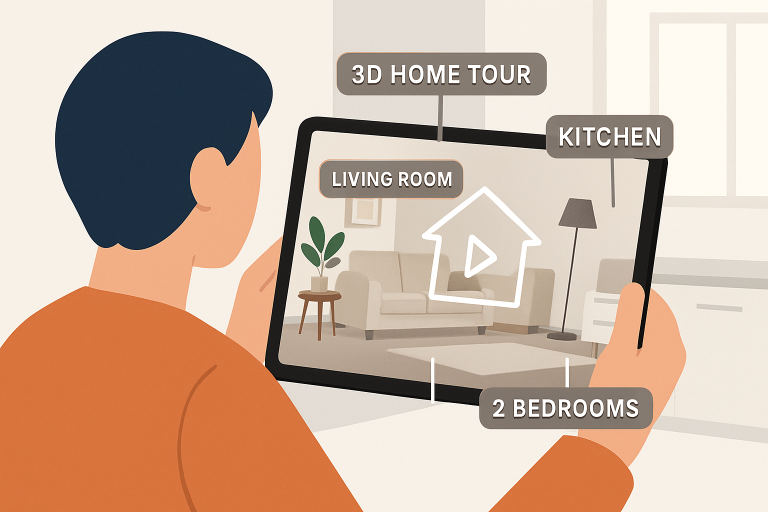
Virtual reality (VR) and augmented reality (AR) have transformed how buyers experience and evaluate potential homes. With VR, home shoppers immerse themselves in 3D tours that provide a genuine sense of space and layout, enabling them to “walk through” homes from anywhere in the world. AR layers digital information onto real-world settings, allowing prospects to visualize remodels or new design features without physically altering the property. This technology, which became indispensable during the pandemic, remains a crucial convenience even as in-person showings resume. Industry leaders and homebuilders recognize the impact, as listings with VR tours receive significantly more buyer engagement than those without.
AI-Powered CRM Systems Optimizing Sales Processes
Artificial intelligence is now at the heart of modern customer relationship management (CRM) strategies in real estate. AI-powered CRMs help agents and sales professionals analyze large volumes of customer data, predict buyer behavior, prioritize high-quality leads, and automate follow-up communications. By leveraging these insights, sales teams can provide timely, personalized interactions that build trust and foster stronger relationships. This approach not only improves sales efficiency but also increases conversion rates and customer satisfaction. Incorporating AI-driven solutions is becoming a best practice among top real estate sales organizations, ensuring buyers receive tailored options that meet their precise needs.
Online Platforms and Mobile Apps Expanding Market Reach
Access to property listings and market data has never been easier, thanks to online platforms and mobile apps like Zillow, Realtor.com, and Redfin. These tools empower buyers to search listings, schedule tours, and request information around the clock from any location. Mobile alerts notify users instantly when new homes appear on the market or when prices change for properties they are following. This always-on access to real estate listings increases competition among sellers and helps buyers act quickly on properties that meet their criteria.
Digital platforms also foster transparency and trust by offering comprehensive neighborhood data, school information, and reviews. The convenience and breadth of information provided online have made the home-buying journey far less stressful and much more streamlined for consumers.
Blockchain Technology Securing Transactions
Blockchain technology is making a notable difference in real estate sales by providing transparent, secure, and efficient ways to execute property transactions. Through decentralized ledgers and smart contracts, blockchain enables direct property transfers between buyers and sellers, reducing reliance on third parties like banks or title companies. Smart contracts can automatically execute all necessary transaction steps once predefined conditions are met. This approach helps reduce fraud risk, expedites closing times, and simplifies the cumbersome paperwork typically required in real estate transactions. While the widespread adoption of blockchain in home sales is still emerging, forward-thinking professionals are already embracing its advantages.
Social Media Marketing Engaging Modern Buyers
Social media platforms are critical tools in the real estate marketing toolbox. Builders and agents showcase properties through visually rich posts on Instagram, Facebook, and TikTok, often reaching younger buyers who might not browse traditional listings. Targeted ad campaigns help marketers connect with prospects based on their interests, demographics, and online behavior. Interactive ads and direct messaging facilitate seamless lead capture, enabling nurturing relationships even before a prospective buyer schedules a showing. Agents who invest in storytelling and video tours on social media often see increased engagement and quicker sales cycles for their listings.
Data Analytics Informing Strategic Decisions
In new home sales, data analytics tools play an essential role in informing marketing and sales strategies. These resources help sales teams understand what buyers are seeking, track which listings garner the most attention, and assess which marketing channels deliver the best return on investment. By analyzing trends, engagement metrics, and customer feedback, professionals diligently refine their approach, leading to more effective campaigns and improved customer service. The rise of big data means decisions are now based on actionable insights rather than intuition alone, providing an important competitive edge for forward-looking teams.
Smart Home Technology Increasing Property Value
Smart home devices are no longer a novelty. Homebuyers increasingly expect features like automated thermostats, smart locks, advanced security systems, and intelligent lighting. These Internet of Things (IoT) innovations boost energy efficiency, comfort, and peace of mind, making properties more appealing and potentially increasing their resale value. Smart homes can also lower utility bills and facilitate remote management, priorities for modern buyers pursuing tech-friendly lifestyles. Incorporating these technologies into new construction helps developers attract a broader range of customers who value convenience and sustainability.
Conclusion
Technology’s ongoing integration into new home sales brings measurable benefits for both buyers and sellers. From virtual showings and AI-enabled CRMs to mobile-first searches and secure blockchain closings, innovation is making real estate more transparent, efficient, and responsive to evolving consumer expectations. Embracing these advances is vital for staying competitive in today’s rapidly changing housing market.