


Key Takeaways
- Next-generation SD-WAN solutions are revolutionizing business connectivity by offering enhanced performance, security, and cost efficiency.
- Integration with cloud services and AI-driven operations is a key trend driving the adoption of advanced SD-WAN technologies.
- Businesses of all sizes can benefit from tailored SD-WAN solutions that address their unique networking needs.
Introduction
Businesses are facing a digital landscape that evolves faster than ever, demanding robust and agile network infrastructure. To meet new connectivity requirements and support their growth, organizations are turning to next-generation Software-Defined Wide Area Network (SD-WAN) solutions. These modern platforms offer significant improvements over traditional WAN setups, delivering enhanced performance, greater security, and optimized costs across multi-cloud and hybrid environments. Early in this digital transformation journey, the question frequently arises: What is SD-WAN?Understanding this technology and its practical implications helps companies make smarter networking decisions.
SD-WAN leverages software and cloud-based technologies to simplify the management of wide-area networks, enabling businesses to connect remote sites, branch offices, and cloud resources quickly and securely. The current generation of SD-WAN solutions pushes this even further, harnessing artificial intelligence (AI) and robust cloud integration to provide resilience against both cyber threats and network interruptions.
While traditional WANs often struggle with cost, complexity, and rigidity, new SD-WAN offerings insert intelligence and scalability into every connection. Companies benefit from shared bandwidth, instant failover, and user-friendly centralized management, all while staying on the cutting edge of security standards. These attributes make SD-WAN particularly attractive for companies expanding globally or operating in cloud-first environments.
Enterprises and small businesses alike now see SD-WAN as a foundation for digital acceleration, enabling them to support demanding workloads, such as high-definition video, VoIP, and real-time collaboration, without sacrificing security or uptime. Reliable business connectivity is no longer an expensive or unattainable goal; instead, it is a practical outcome of embracing SD-WAN modernization.
Enhanced Performance and Reliability
The core strength of next-gen SD-WAN lies in performance optimization. Using intelligent routing protocols and AI tools, modern SD-WAN platforms pick the most efficient data paths among available connections. This capability guarantees lower latency, higher throughput, and greatly reduced risk of outages or bottlenecks. For businesses running mission-critical applications, these performance boosts are invaluable in maintaining competitiveness and productivity.
Features such as zero-touch provisioning and AI-aided troubleshooting streamline onboarding and daily network management. AI-driven platforms proactively identify and remediate network anomalies, sometimes before users even detect performance issues. This shift toward automation helps IT teams focus on strategic projects rather than firefighting network issues, as reported by Network World.
Integration with Cloud Services
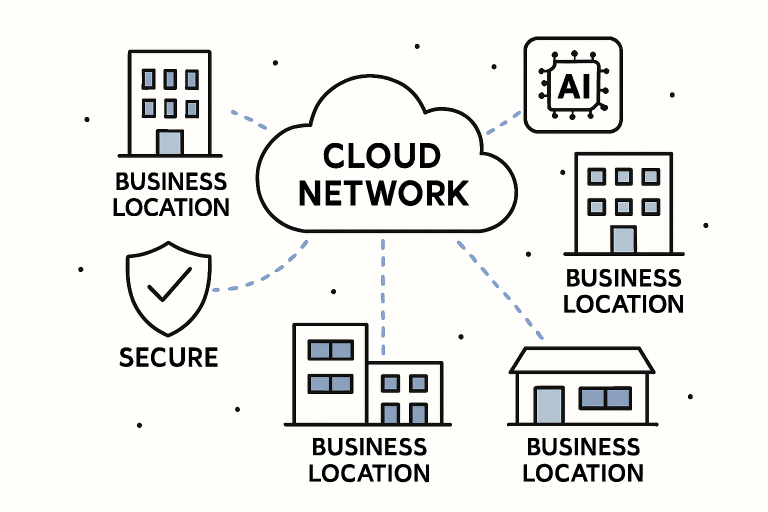
Cloud adoption is surging, and so is the importance of SD-WAN integration with cloud platforms such as AWS, Microsoft Azure, and Google Cloud. By routing cloud-bound traffic directly through the most optimal and secure paths, SD-WAN enables consistent performance for SaaS applications, IaaS workloads, and public/private hybrid deployments. This is crucial as organizations continue to migrate critical assets and tools to the cloud, minimizing latency and connectivity issues.
Surveys show more than half of organizations now prioritize SD-WAN’s interoperability with cloud and SaaS environments. By seamlessly integrating cloud connectivity, next-gen SD-WAN puts secure, low-latency access within reach for all branches and remote users worldwide. This integration not only boosts workforce efficiency but also strengthens disaster recovery capabilities, allowing companies to keep operating in the face of localized issues.
Cost Efficiency and Scalability
Economic pressure to do more with less is a recurring theme in IT strategy. Next-generation SD-WAN solutions offer an attractive alternative to costly Multiprotocol Label Switching (MPLS) networks. By shifting traffic to broadband networks and combining links from multiple providers, companies can drastically cut costs, especially in large or dispersed networks. This approach not only reduces capital expenditure but also scales effortlessly as new sites and users come online.
Furthermore, SD-WAN’s scalability means businesses pay only for what they need. Network upgrades, expansion into new markets, or onboarding of cloud services can all happen swiftly without massive infrastructure overhauls. This “grow as you go” capability is particularly beneficial for organizations facing rapid expansion or unpredictable bandwidth demands, according to GTT.
Security Enhancements
Security remains at the forefront of technology planning, and SD-WAN’s evolution keeps pace with the fast-changing threat landscape. Next-gen SD-WAN solutions integrate advanced security features, including next-generation firewalls, deep packet inspection, intrusion prevention systems, and a zero-trust architecture. These additions protect business data and applications against a growing roster of cyber threats, ensuring compliance in regulated industries.
A unique advantage of SD-WAN is the visibility and granular control it grants over traffic in real time. IT teams can segment network traffic, apply specific security policies, and detect anomalies across thousands of endpoints from a central console. With the rise of remote work, the capacity to deliver enterprise-grade security to any location, at any time, has never been more critical.
Tailored Solutions for Businesses of All Sizes
Not all organizations have identical networking challenges, so SD-WAN providers are developing solutions that address a variety of business profiles. Small and medium-sized businesses (SMBs) often require secure, efficient connectivity but lack the budget and expertise for enterprise-scale infrastructure. SD-WAN answers this call by simplifying configuration, integrating management, and automating security, leveling the playing field for SMBs and large enterprises alike.
Industry leaders are expanding their portfolios to include flexible, cost-effective SD-WAN solutions for SMBs, democratizing access to reliable connectivity and cloud integration features. By removing technical and financial barriers, next-gen SD-WAN enables digital transformation across industries such as retail, manufacturing, banking, healthcare, and beyond.
Future Trends in SD-WAN
The trajectory for SD-WAN is toward even greater intelligence and efficiency. A significant industry trend is the rise of Network-as-a-Service (NaaS), a flexible model where organizations consume networking resources as needed. Market research suggests that nearly a third of all new SD-WAN deployments will use some form of NaaS by 2026, a sharp increase reflecting demand for ease of use and operational efficiency.
Artificial intelligence and machine learning will further automate routine tasks such as policy enforcement, troubleshooting, and load balancing. As AI capabilities grow, businesses can expect self-healing networks and even smarter traffic optimization, helping them outmaneuver unforeseen challenges. These innovations allow organizations to allocate more time and budget toward strategic initiatives rather than ongoing network maintenance and manual interventions.
Conclusion
Next-generation SD-WAN is swiftly reshaping the landscape of business connectivity. With superior performance, powerful security, flexible integration with cloud services, and cost-effective scalability, organizations of all sizes stand to benefit. As trends continue to point toward greater automation and cloud focus, now is the strategic moment to embrace SD-WAN modernization to unlock new possibilities for agility and growth in a digital-first world.