

Hot water is a daily essential, making water heaters a critical piece of home comfort. When you rely on consistent, efficient hot water, understanding the typical lifespan of your unit is vital for planning, budgeting, and comfort. Whether your home is old or new, knowing the right time for maintenance or replacement saves you money and hassle. If you’re experiencing water heater issues, consider professional electric water heater repair and install in Lehi UT to keep your system running at peak performance.
With routine care, water heaters can operate reliably for years. However, neglect often leads to untimely failures, increased energy bills, and a lack of hot water when you need it most. Understanding what affects their longevity and what you can do helps you get the most from your investment.
Average Lifespan of Water Heaters
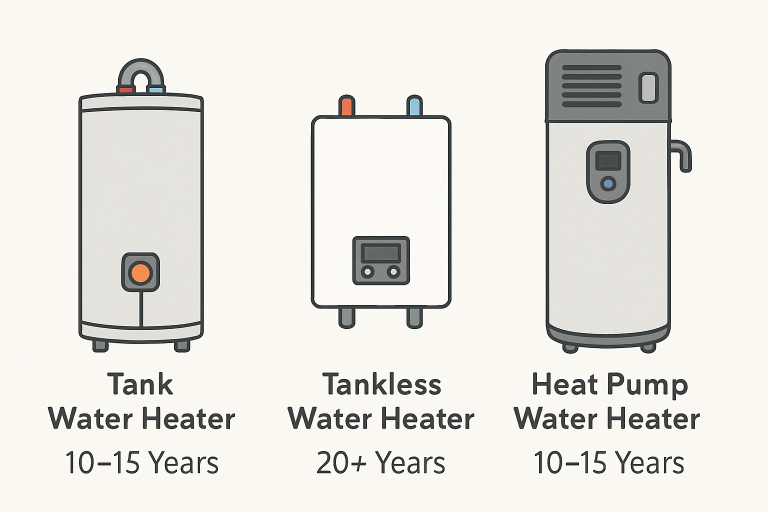
Water heater lifespan depends on the technology, usage, installation quality, and upkeep. Here is a quick breakdown of the most common water heater types:
- Traditional Tank Water Heaters:These typically last about 8 to 12 years. Consistent maintenance can sometimes push them closer to the upper end of that range.
- Tankless Water Heaters: Designed to be more durable, tankless models often operate effectively for 20 years or more.
- Heat Pump Water Heaters: Most heat pump models last between 10 and 15 years if well-maintained.
Keep in mind, manufacturer guidelines and local water quality also influence these averages, so your experience may vary.
Factors Affecting Water Heater Longevity
Several components and conditions determine just how long a water heater will last in your home:
- Water Quality: Hard water, which contains minerals like calcium and magnesium, can speed up sediment and scale buildup inside water heaters. This reduces their efficiency and lifespan.
- Maintenance: Regular flushing and inspection remove harmful sediment, spotting problems early before they lead to breakdowns.
- Installation Quality: Units installed to code, with proper venting and water connections, experience fewer performance issues and last longer.
- Usage Patterns: Larger households or homes that run hot water constantly will see accelerated wear and tear compared to lighter use.
For a comprehensive look at water heater technologies and trends, you can review the U.S. Department of Energy’s Water Heating Guide.
Signs Your Water Heater May Need Replacement
Recognizing early warning signs can help you avoid sudden failures and costly water damage. Here are some issues indicating a heater is near the end of its life:
- Inconsistent Water Temperature:Sudden hot and cold fluctuations often point to thermostat or internal part failures.
- Discolored Water: Brown, rusty, or cloudy water can be a result of tank corrosion, which means the inside of the unit is breaking down.
- Unusual Noises: Loud bangs, pops, or rumbles are usually caused by sediment hardening and interacting with the heating elements or burners.
- Leaks: Pooling water or signs of seepage around the base typically signal tank failure, often requiring immediate replacement.
Maintenance Tips to Extend Your Water Heater’s Life
Proactive care not only extends your water heater’s lifespan but also keeps it running safely and efficiently. Here are four essential steps homeowners should follow:
- Annual Inspections: Have your water heater checked every year for leaks, rust, and other signs of wear. Early intervention can catch minor problems before they escalate.
- Flush the Tank: Draining several gallons or flushing the tank annually can help clear out sediment and minerals, preserving efficiency.
- Test the Pressure Relief Valve: Lift and release the lever to make sure it moves freely and water flows out. This prevents excess pressure from damaging your tank.
- Inspect the Anode Rod: Replace this metal rod every three to five years or when it shows significant corrosion. The rod helps attract minerals that could otherwise corrode the tank walls.
Following a routine maintenance schedule can prevent premature failure and expensive repairs.
Choosing the Right Replacement Water Heater
If your current water heater is nearing the end of its useful life span or has failed, consider these factors when selecting a replacement:
- Energy Efficiency: Select models with high Energy Factor (EF) ratings to help lower your utility bills.
- Size and Capacity: Choose a water heater sized to match your household’s peak water usage so you never run short during busy times.
- Type: Decide between traditional tanks, tankless, or heat pump models based on installation space, usage habits, and budget.
Conclusion
Understanding how long a water heater really lasts depends on several factors, including its type, how well it is maintained, water quality, and daily usage patterns. By keeping up with routine inspections and recognizing early warning signs of failure, you can avoid unexpected breakdowns and ensure reliable hot water for years to come. Smart maintenance and timely replacement planning are the keys to making your home’s hot water supply both cost-effective and dependable.