

Key Takeaways
- Routine roof inspections can catch early damage and prevent major repairs.
- Consistent maintenance, such as clearing gutters and trimming trees, helps prolong your roof’s life.
- Addressing small problems quickly keeps them from becoming extensive and expensive to fix.
A well-maintained roof is more than just a shelter over your head; it is a critical component that protects your home from the elements, supports energy efficiency, and preserves its structural integrity. From small leaks to visible wear, understanding the signs of roofing issues can help homeowners address problems before they escalate into costly repairs. Regular assessments of your roof’s condition provide insight into its remaining lifespan and guide decisions on maintenance or replacement.
Professional guidance can be particularly valuable when evaluating roof health. Companies like Delta Innovative Services offer expertise in inspecting, diagnosing, and providing solutions for a range of roofing materials and conditions. While homeowners can monitor surface-level issues, having a trusted resource to identify hidden vulnerabilities ensures that maintenance decisions are informed and timely. By understanding the full picture of your roof’s health, you can extend its life and protect your home effectively.
Common Indicators of Roof Damage
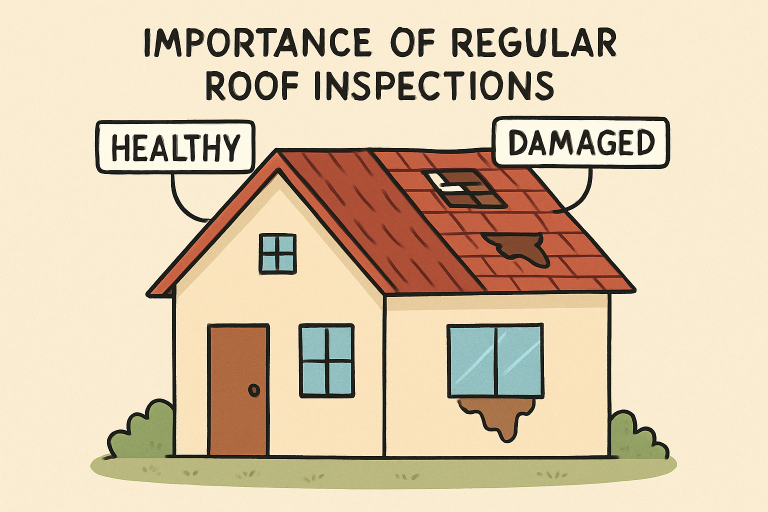
Regularly checking your roof’s condition gives you the best chance of catching issues before they escalate. By staying alert to subtle changes, you can address problems quickly, often avoiding more significant structural repairs. Homeowners should watch out for these common warning signs:
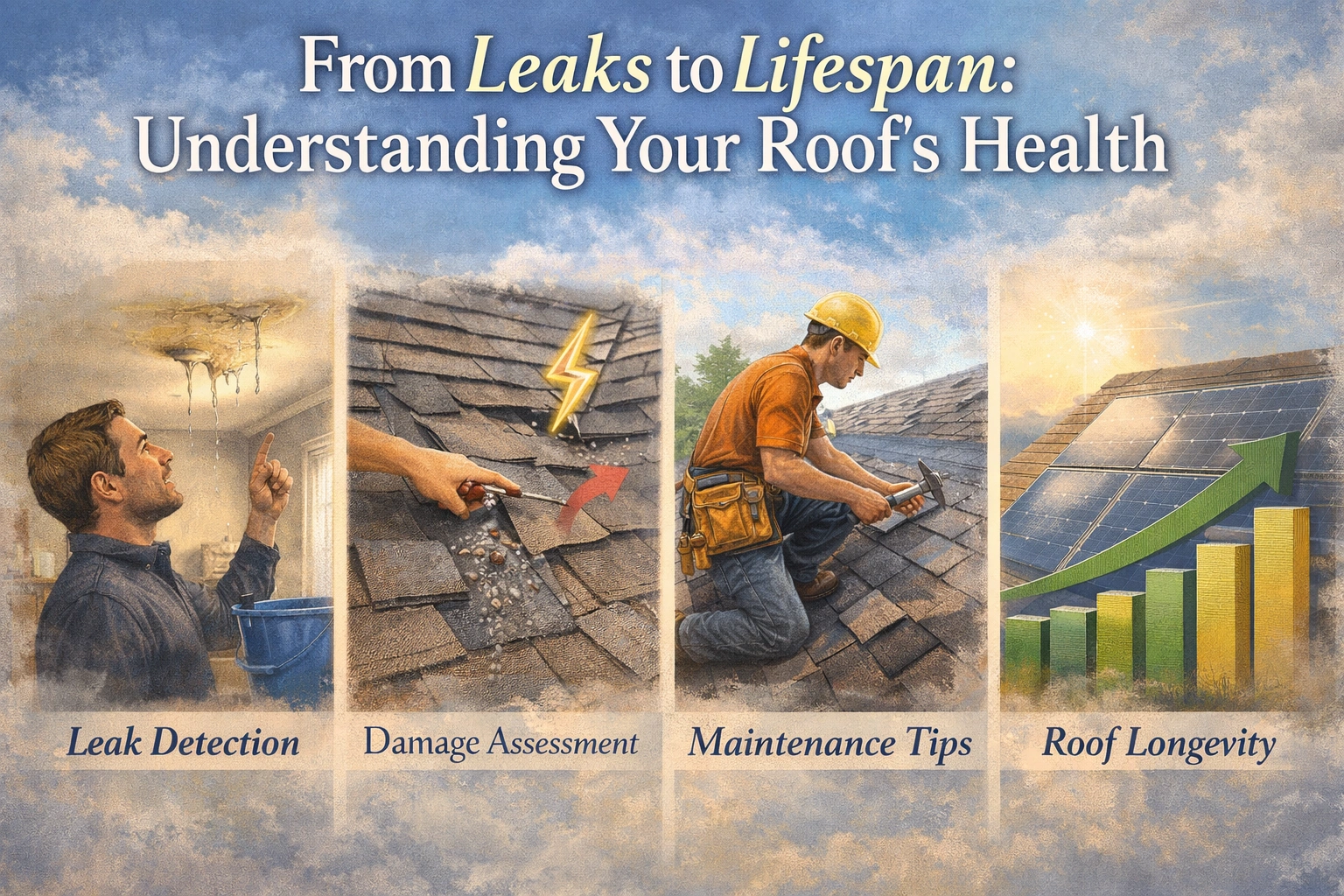
- Missing or Damaged Shingles:Exposed areas from broken or missing shingles make your roof vulnerable to water infiltration and eventual structural damage.
- Granule Loss: If you notice a build-up of shingle granules in your gutters, your roof may be deteriorating and less effective at protecting your home.
- Water Stains: Unexplained discoloration on ceilings or walls is a serious indicator of leaks that could be caused by roof damage.
- Sagging Roof Deck: A visible dip or sag in your roof structure often reflects compromised materials and may indicate underlying moisture problems or rot.
Proactive Maintenance Strategies
The best way to lengthen your roof’s lifespan is through ongoing care and attention. Maintenance does not have to be complex, but it does require consistency:
- Routine Inspections: Have a roofing professional inspect your roof at least once a year, especially after severe weather events, to uncover developing issues.
- Gutter Cleaning: Clogged gutters can cause water to back up and seep under your shingles, leading to added moisture and decay. Regular cleaning prevents this problem.
- Tree Trimming: Keep branches away from your roofline. Overhanging limbs drop leaves and debris, and high winds could cause them to damage your shingles directly.
- Attic Ventilation: Good airflow in your attic reduces moisture buildup and minimizes the risks of mold, mildew, and premature deterioration of roof materials.
Addressing Leaks Promptly
Even seemingly harmless leaks deserve urgent attention. Water entering your home can harm insulation, promote mold and mildew, and weaken the roof structure. Over time, what may start as a small drip can severely undermine both the indoor air quality and the integrity of your entire home. Prompt action at the first sign of leakage is always recommended and may prevent more expensive repairs later.
Understanding Roof Lifespan
The longevity of your roof largely depends on its construction and the care it receives. Here are the principal factors that affect how long your roof will last:
- Material: Traditional asphalt shingles typically last 20 to 30 years, while metal or clay tile roofs can last 40 to 70 years or more.
- Climate: Homes located in regions subject to severe storms, heavy snowfall, or intense heat should expect faster wear. Proper installation and protective coatings can help mitigate climate impact.
- Maintenance: Regular upkeep, including cleaning, minor repairs, and inspections, greatly increases roof longevity by addressing emerging issues before they become serious.
When to Consider Roof Replacement
All roofs eventually reach a point at which ongoing repairs are no longer practical or cost-effective. If your roof is nearing or has exceeded its expected lifespan, exhibits widespread or recurring damage, or continues to leak even after multiple repairs, replacement may be the best option. Consulting with a reliable roofing expert is key to determining whether repair or replacement makes sense for your home. The National Association of Home Builders provides detailed resources on average lifespan by roofing material and guidance on when replacement may be needed.
Conclusion
Your roof’s health is crucial to the safety, longevity, and comfort of your home. With regular inspections, timely repairs, and a proactive maintenance approach, you can catch problems early and extend your roof’s lifespan. Vigilance saves money and gives you peace of mind, ensuring your home remains secure against the elements for many years to come.