


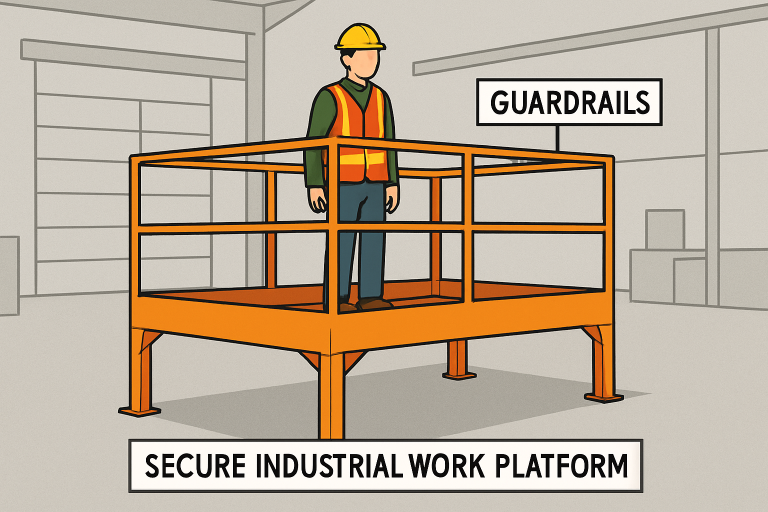
Industrial work platforms are critical in maintaining safe access to elevated areas in environments such as manufacturing, construction, and utilities. These platforms are designed to minimize fall risks and workplace accidents, especially when proper safety standards and innovative technologies are prioritized. For those looking to enhance workplace safety and efficiency, resources like Platforms and Ladders provide valuable guidance in choosing the right industrial platforms and ladders for specific operational needs.
Implementing best practices starts at the foundation. By evaluating platform design, materials, and adherence to evolving regulations, companies can create a safer, more productive workplace. Investing in reliable industrial work platforms not only prevents injuries but also maintains workflow continuity and boosts employee morale.
The importance of these platforms extends to protecting the company from legal pitfalls and demonstrating a commitment to employee welfare. Reliable platforms also streamline maintenance activities, improve operational flexibility, and help teams adapt to the unique challenges of each job site.
Workplace injuries and falls from height remain a leading cause of lost workdays in the United States, making the brilliant selection and maintenance of industrial work platforms as necessary as any other risk management strategy. According to information from the Occupational Safety and Health Administration (OSHA), proactive measures can drastically reduce these incidents and their associated costs. For more guidance on mitigating workplace hazards, refer to OSHA’s fall protection standards.
Importance of Industrial Work Platforms
Industrial work platforms are more than just physical structures; they are fundamental elements in operational safety. These platforms ensure that workers can reach elevated areas to perform inspections, repairs, or installations without relying on unsafe makeshift solutions. When integrated into daily processes, industrial platforms support productivity by allowing personnel to work comfortably and securely, ultimately decreasing the frequency of overexertion and fall-related injuries.
OSHA Compliance and Safety Standards
The Occupational Safety and Health Administration sets forth clear regulations for the safe design, construction, and use of work platforms in industrial settings. OSHA requirements specify that platforms must include appropriate guardrails, toe boards, and load-rated construction. These guidelines are regularly updated to reflect modern workplace risks and best practices, ensuring that companies and employees understand their roles in accident prevention. Meeting these standards is essential not only for compliance but also for building a culture where worker safety is prioritized on every project.
Material Selection for Durability and Safety
When it comes to work platforms, material choice directly affects durability and safety performance. Fiberglass Reinforced Plastic (FRP), aluminum, and steel are top contenders, each offering unique advantages. For example, FRP is favored for its non-conductive properties, making it the safest option for environments exposed to electrical hazards. This material is also highly resistant to corrosion, chemicals, and moisture, which means it lasts longer in harsh conditions and reduces ongoing repair costs. Companies that adopt FRP or other specialized materials can extend the life of their platforms while safeguarding worker health in challenging job sites.
Design Considerations for Optimal Safety
Safety-focused design features are nonnegotiable in modern work platforms. Slip-resistant surfaces, properly spaced guardrails, and clearly indicated load capacities are standard requirements. Companies should also consider ergonomic factors such as step heights and platform sizes, which support ease of movement for workers. Custom platform configurations designed to fit around machinery, tight spaces, or unique layouts can reduce the need for improvisational solutions, further minimizing accident risks and maximizing operational efficiency.
Regular Inspections and Maintenance
Even the most robust platforms require ongoing inspections and maintenance to remain safe. Routine checks should focus on weld integrity, secure fastenings, non-slip coatings, and corrosion or fatigue in the structure. A documented inspection and maintenance program helps ensure that minor issues are addressed before turning into safety hazards. Maintenance schedules should be based on manufacturer guidelines and the specific demands of the job site. Well-maintained platforms are more reliable and help ensure compliance with safety regulations, reducing the risk of costly incidents or downtime.
Training and Education for Workers
No safety program is complete without comprehensive worker training. Employees should be instructed on the correct methods for setting up, using, and disassembling work platforms. Training sessions must cover how to identify hazards, respond to emergencies, and report defects or unsafe conditions. A focus on continuous education encourages employees to remain vigilant and engaged with evolving safety protocols, contributing to an atmosphere of mutual accountability and risk awareness. For additional training insights, the National Safety Council offers helpful resources on slip, trip, and fall safety.
Technological Advancements in Safety
Modern technology is driving progress in work platform safety. Virtual Reality (VR) training solutions now enable workers to practice complex procedures in risk-free virtual settings, preparing them for real-life challenges. These immersive simulations help employees recognize potential hazards and become comfortable with emergency protocols. Innovations such as digitally monitored maintenance schedules or predictive analytics for wear and tear further enhance safety outcomes and support more innovative asset management. For more information on developments in VR safety training, visit VR-based safety training for industrial hazards.
Conclusion
Establishing safe work environments depends on the careful integration of compliant design, robust materials, ongoing maintenance, consistent worker education, and the adoption of new safety technologies. When industrial work platforms are chosen and maintained with care, and supported by best-practice policies, organizations minimize risk and maximize both productivity and morale. As regulations and technologies evolve, staying committed to a culture of safety ensures ongoing benefits for workers and companies alike.