


Key Takeaways
- Understanding Funeral Cooperatives
- Financial Relief Through Cooperative Membership
- Emotional Support and Community Engagement
- Personalized and Ethical Service
- Educational Resources and Pre-Planning Assistance
- Community Outreach and Support Programs
- Advocacy for Consumer Rights
- Conclusion
Understanding Funeral Cooperatives
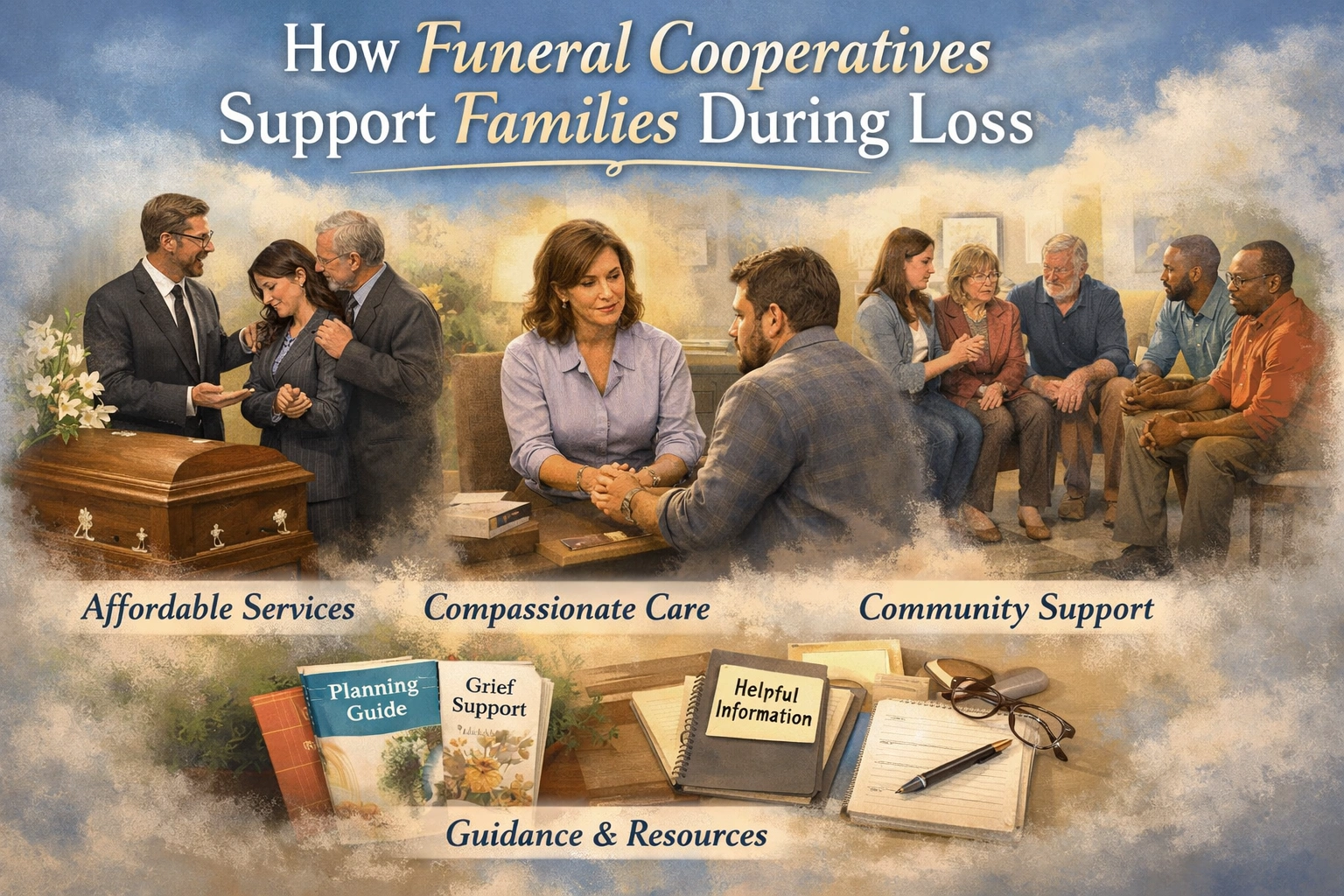
Funeral cooperatives are distinctive in that they are owned and operated by their members, diverging from the traditional funeral home business structure. Instead of maximizing profit, these cooperatives exist to meet the community’s collective needs. As a result, families benefit from practical and emotional support at a time when both are needed most. With a core mission focused on service, funeral cooperatives exemplify transparency and compassion, which is why many families are now seeking Compassionate Funeral Home Services that prioritize their well-being over profit.
Membership in a funeral cooperative gives families more control over critical end-of-life decisions. This community-driven approach fosters trust and loyalty while honoring cultural and personal traditions. Compared to the sometimes impersonal service of larger corporations, cooperatives offer families individualized care, ensuring meaningful farewells and lasting comfort.
Financial Relief Through Cooperative Membership
One of the most tangible advantages provided by funeral cooperatives is direct financial relief. By operating on a not-for-profit basis, these organizations can pool resources and share costs among members. This collaborative framework removes much of the profit-driven pricing found at some conventional funeral homes, where upselling and high markups are common. In many cases, cooperative members pay less for comparable or even superior service, resulting in significant savings during a stressful and costly period for families.
Financial transparency is also a hallmark of funeral cooperatives. Members are often involved in governance, giving them insight into expenditures and helping them avoid unnecessary costs. In the context of growing concerns about the rising cost of funerals, this model offers a relief valve for budget-conscious families without compromising on care or dignity.
Emotional Support and Community Engagement
Funeral cooperatives provide more than just logistical assistance. They understand the profound grief that comes with loss and therefore invest deeply in emotional support. Many cooperatives offer grief counseling and support groups to help families process their emotions. These services can include workshops, memorial events, and partnerships with organizations that specialize in bereavement, particularly for children and individuals navigating traumatic loss. A notable example is how some cooperatives collaborate with organizations such as the National Alliance for Children’s Grief to offer tailored resources and support programs.
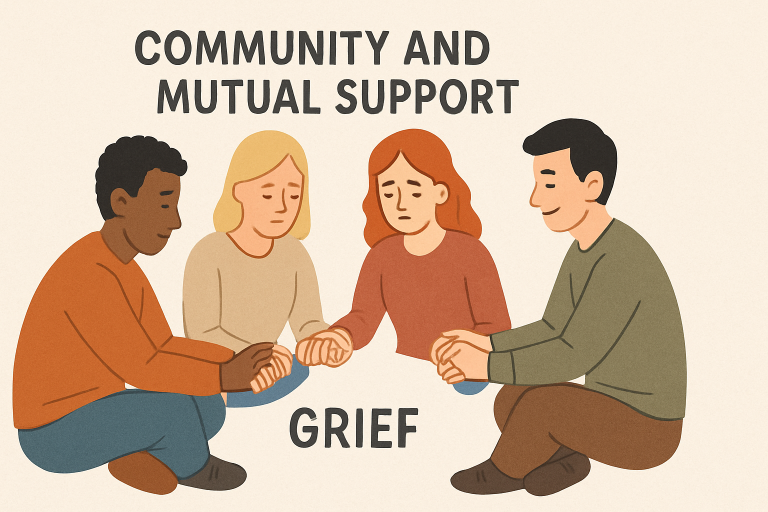
Community engagement is an essential part of the cooperative mission. By building support networks, funeral cooperatives bring together families who have experienced loss, fostering connection and collective healing. Regular events and open forums help grievers feel less isolated and more supported during difficult times.
Personalized and Ethical Service
Funeral cooperatives distinguish themselves with a deeply personalized approach. Staff members are motivated by care rather than commissions, which allows them to focus on fulfilling members’ wishes with honesty and sensitivity. Families can choose services and memorials that genuinely honor their loved ones, tailoring aspects such as ceremonies, eco-conscious burials, or religious observances as they see fit.
The cooperative model prioritizes ethical service through open communication and respect for the family’s choices. This stands in contrast to some traditional funeral homes, which may pressure families into selecting unnecessary upgrades or costly add-ons. Such upselling tactics remain a concern in the broader funeral industry. By promising transparency and fairness, cooperatives earn the trust of their communities and relieve families from the stress of hard-sell tactics at vulnerable times.
Educational Resources and Pre-Planning Assistance
Navigating the choices involved in planning a funeral can be overwhelming, especially in the immediate aftermath of a loss. Funeral cooperatives often address this by offering educational workshops and detailed resources to guide families through each option. These include information on environmentally friendly burials, alternative memorials, and legal considerations for end-of-life planning.
Many cooperatives also assist with pre-planning, encouraging members to make arrangements in advance. This not only provides peace of mind but also helps families avoid rushed or costly decisions at a time of grief. When individuals take the opportunity to pre-plan, they ensure their wishes are honored, reduce potential family conflict, and shield loved ones from unexpected financial burdens.
Community Outreach and Support Programs
Community outreach reflects the heart of the cooperative philosophy. Funeral cooperatives frequently develop and fund bereavement support networks that extend well beyond their core membership. These programs connect grieving families to counseling, financial aid resources, and local support groups. An example can be found in Utah, where new networks offer specialized support to children who have experienced parental loss.
Such initiatives show that the influence of funeral cooperatives extends beyond the funerary process. By giving back and fostering resilience, these organizations strengthen the fabric of their entire community, creating a more compassionate and supportive environment for families in grief.
Advocacy for Consumer Rights
Many funeral cooperatives play a vital role in advocating for consumer protections within the funeral industry. Working alongside national organizations like the Funeral Consumers Alliance, they campaign for increased transparency in pricing, clear communication regarding available services, and legislation that shields families from predatory practices.
Through these efforts, funeral cooperatives protect not only their own members but also the broader public, ensuring that all consumers have access to fair and respectful service during times of vulnerability.
Conclusion
Funeral cooperatives stand out as compassionate, ethical, and community-driven alternatives to traditional funeral homes. By delivering financial relief, emotional support, personalized care, and robust community engagement, they help families navigate one of life’s most challenging experiences. Their commitment to transparency and advocacy furthers consumer rights and ensures that all families can say goodbye to their loved ones with dignity and peace of mind.