


Key Takeaways
- Set a realistic budget to avoid financial strain.
- Thoroughly research and inspect potential vehicles.
- Verify the car’s history and maintenance records.
- Consider the total cost of ownership, including insurance and maintenance.
- Test drive the vehicle to assess its condition and comfort.
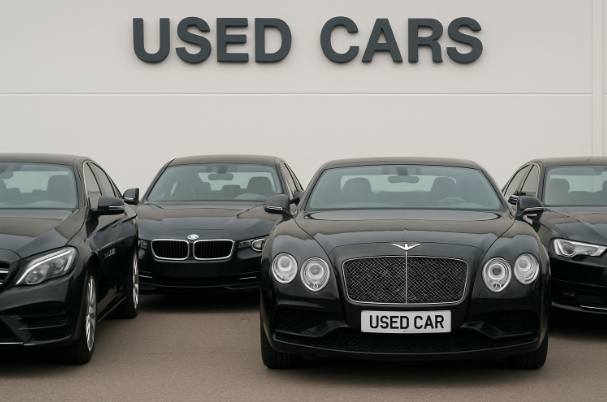
Purchasing a luxury used car can be a thrilling experience, but it requires careful planning and research to ensure you wind up with a dependable and prestigious vehicle. With countless models and features available, buyers need to take specific steps to guarantee both quality and value. Whether you are browsing for a well-maintained Mercedes, a gently driven BMW, or a unique find such as a used Bentley, understanding the selection process is essential for making a confident and informed choice.
When navigating the luxury used car market, setting expectations and arming yourself with key information will save time and money. From establishing a realistic budget to inspecting every detail, each stage assures a smoother transaction and elevates your ownership experience. Learning how to verify vehicle history, calculate total ownership expenses, and negotiate each deal can transform what may feel daunting into a rewarding investment.
Through attention to detail and strategic decision-making, buyers can avoid unreliable models or costly surprises. While luxury vehicles often promise prestige, performance, and advanced features, they also come with specific financial responsibilities. Thorough preparation is the best way to enjoy all the rewards of luxury ownership without unwelcome drawbacks.
This guide provides practical steps and expert insights into the entire process. By following the approach outlined below, you will be ready to select a high-quality luxury used car that suits your unique preferences.
Set a Realistic Budget
Setting a budget is a critical first step when searching for a used luxury car. These vehicles can vary widely in price, from affordable older models to nearly new vehicles with premium price tags. When creating your budget, account for the unique financial factors that luxury cars present. Consider not only the sticker price, but also taxes, registration fees, and dealer costs. Additionally, factor in higher-than-average maintenance and insurance expenses commonly associated with high-end brands. With a clear and realistic number in mind, shoppers can focus only on vehicles that fit within their means, making the selection process more efficient and enjoyable.
Research Reliable Models
Luxury brands are synonymous with elegance and advanced technology, but not all models are equally reliable. Conducting in-depth research on brand reputations, specific model-year reliability, and longevity is essential. Utilize trusted resources like Car and Driver’s Best Luxury Vehicles to assess commonly recommended options and to dig deep into consumer reviews. Compare features, performance histories, and maintenance costs for the models that interest you, prioritizing those with a proven track record.
Inspect the Vehicle Thoroughly
Once you identify promising vehicles, it is vital to thoroughly inspect them inside and out. Start with a broad assessment, reviewing the bodywork for dents, rust, or irregular paint that could indicate past damage. Check the tires, lights, and windows. Move on to the interior: test electronic components, seat adjustments, infotainment system, and amenities. A professional inspection by a trusted mechanic cannot be overstated. Experts are able to spot hidden issues like engine problems, transmission wear, or brake deterioration. This diligence helps safeguard your investment.
Verify Vehicle History
Understanding a car’s past use is just as important as its physical condition. Obtain a comprehensive vehicle history report from services like Carfax or AutoCheck. These reports provide valuable details about prior accidents, service records, odometer readings, and ownership history. Ensuring the title is clean and authentic terminates the risk of buying a car with unresolved issues. Regular maintenance and a trouble-free past increase the probability of a reliable, long-term driving experience.
Consider Total Cost of Ownership
Many luxury car buyers focus only on purchase price and overlook ongoing expenses. Calculate the full cost of ownership by considering insurance premiums, fuel requirements, scheduled maintenance, and possible repairs. High-end vehicles often require specialized parts and expert mechanics, which can lead to steeper service fees. Factor in warranty status and whether any service plans can provide peace of mind. Carefully reviewing these expenses ensures long-term satisfaction and protects your financial health.
Test Drive and Evaluate
A test drive is an invaluable part of the buying process. Plan to drive the vehicle in different scenarios such as city streets, highways, and in stop-and-go traffic. Listen carefully for unusual noises or vibrations, and pay attention to the smoothness of gear changes and the responsiveness of the braking system. Evaluate comfort, overall handling, and the functionality of luxury features. This step validates not only the car’s condition, but also how it feels to you behind the wheel.
Negotiate and Finalize the Deal
As negotiations begin, use market research and inspection findings as leverage. Be prepared to articulate why a lower price or additional service might be justified. Do not hesitate to walk away if the terms are not fair or if issues arise late in the process. Once both parties agree, review all contract details, check the paperwork, and clarify any last-minute concerns. Ensure you leave with everything documented, including warranties or commitments made by the seller. Taking careful steps through to the finish line results in a transparent, satisfying transaction.
By approaching the process strategically, luxury used car buyers can enjoy sophisticated vehicles that offer both comfort and peace of mind. With proper research, diligence, and patience, you can confidently enter the world of luxury automotive ownership.