

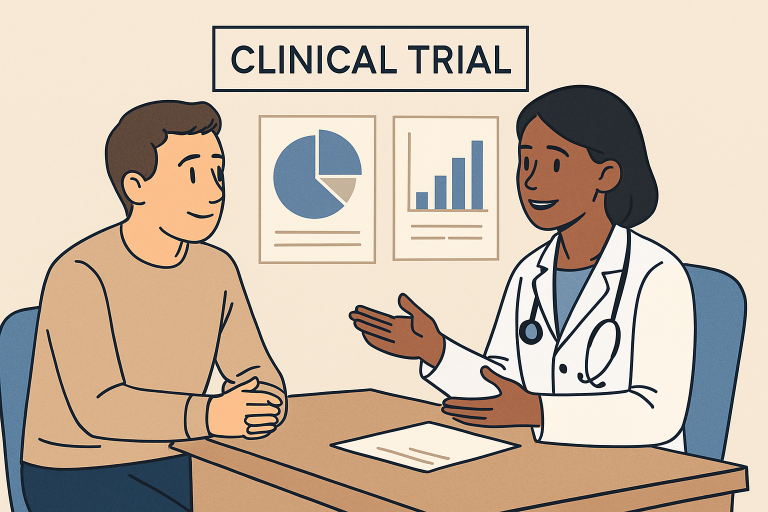
Deciding whether to participate in a clinical trial is a significant and personal decision. As more patients consider clinical research as a treatment option, understanding the pros and cons of taking part in clinical trial is crucial. Gaining clarity about what to expect can help you evaluate whether the involvement aligns with your healthcare needs and personal responsibilities.
Clinical trials not only offer access to innovative therapies and new medical knowledge, but they also require motivation, preparation, and awareness of possible obstacles. Approaching this decision with accurate information gives you the tools to weigh the rewards against the demands of participation.
Understanding Clinical Trials
Clinical trials are structured research studies designed to evaluate new medical treatments, devices, or approaches. Each trial follows a rigorous protocol to ensure reliable results and to protect participants’ rights and safety. By joining a trial, participants play an essential part in helping researchers answer critical questions about safety, effectiveness, and quality of life. These studies are vital for moving new therapies from the testing phase to becoming widely available treatments for broader patient communities.
Potential Benefits of Participation
Engaging in a clinical trial can yield several noteworthy advantages. Participants sometimes gain early access to promising new treatments that might not be available to the public for several years. This can be especially important for individuals with conditions that have limited standard care options.
- Access to New Therapies: Participants may receive cutting-edge medical care and breakthrough treatments not yet available elsewhere.
- Expanded Medical Oversight: Studies often involve regular check-ins and advanced monitoring by specialized medical teams, adding another layer of care.
- Contribution to Research:Participation helps researchers gather data to improve treatment for future patients, aiding in the global medical community’s progress.
The benefits of clinical trials extend to both individual care advancements and the potential to help others in the future.
Possible Challenges and Risks
As with any medical decision, it is important to weigh the challenges and risks. Every clinical trial has unique risks, ranging from mild side effects to more unpredictable outcomes as new treatments are explored.
- Potential Side Effects: New drugs or procedures can introduce unforeseen side effects, sometimes more severe than current treatments.
- Time and Lifestyle Demands: Trials might require frequent medical appointments, additional tests, or strict adherence to protocols, which can disrupt daily routines.
- No Guaranteed Efficacy: The new treatment may not be effective or may be less beneficial than current standards.
Informed Consent and Eligibility
Informed consent is a key element of ethical clinical research. Before individuals can enroll in a study, they are given detailed information about its purpose, procedures, potential risks, and expected benefits. This ensures that participants fully understand what their involvement entails and allows them to ask questions or express any concerns to the research team before making a decision.
Participants receive a comprehensive overview of the study, including its expected duration and any commitments they may be required to make. They only sign a consent form to officially join the study after reviewing and understanding all this information.
Additionally, eligibility criteria, such as age, medical history, and current health status, are carefully assessed to protect participants’ safety and ensure reliable, meaningful results.
Balancing Everyday Life with a Clinical Trial
Participating in a clinical trial can impact your daily routines and may require adjustments to both personal and professional commitments. It is beneficial to discuss your expectations with your employers and family members in advance, enabling everyone to plan schedules and responsibilities accordingly.
Balancing work and family obligations might involve organizing your time around study appointments and procedures to minimize disruptions. Transportation and scheduling can also require extra planning, especially if visits are frequent or if the study location is far away.
Financial considerations are important as well. While many studies focus on direct medical costs, participants may still incur incidental expenses, such as travel, parking, or lost income from time away from work. Maintaining open communication with your support network and the research team can help you manage these challenges more easily. Additionally, some organizations may provide assistance with travel or logistical needs.
Support Systems and Resources
Relying on robust support systems can make the trial experience less overwhelming. Family and friends can help with practical needs, such as transportation or groceries, and emotional support is often vital during challenging periods.
- Healthcare Providers: Many research centers and hospitals offer counseling, social workers, and patient navigators to guide you through the process.
- Patient Advocacy Groups: Connecting with others who have participated in trials can help you gather advice and emotional encouragement. You can find more information and shared experiences at trusted sites like ClinicalTrials.gov.
These resources ensure you are not navigating participation alone, making the process less daunting and more empowering.
Making an Informed Decision
Carefully considering your participation means balancing the possible health benefits against potential disruptions and risks. Begin by consulting your healthcare provider, who can explain all available options and assess your eligibility for specific studies in the context of your health history.
- Review your personal health goals and how new treatments align with them.
- Understand the trial protocol and its daily impact on your life.
- Ask about short-term and long-term expectations, including the possibility to withdraw from the trial at any time without losing standard care options.
Making the best decision for yourself means gathering information, seeking multiple perspectives, and considering your lifestyle, values, and support network.
Conclusion
Joining a clinical trial is an important health decision with both meaningful benefits and practical challenges. Through honest discussions with healthcare teams, thoughtful research, and the support of those around you, you can determine if clinical research participation is the best path for you. Contributing to a trial not only has the potential to improve your own care but also helps future patients by advancing scientific understanding and expanding treatment options.