


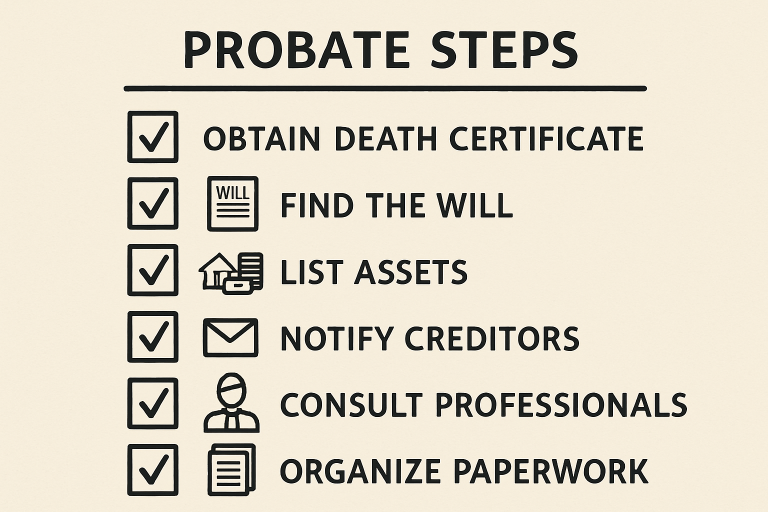
Starting the probate process can often feel overwhelming, especially during a period of emotional challenges. However, with diligent preparation and a structured approach, you can ensure the legal proceedings proceed smoothly. This guide outlines the crucial steps required before initiating probate, empowering you to manage your loved one’s estate with confidence. For anyone needing local expertise in estate administration, enlisting Colorado probate lawyers can be an invaluable resource.
Being proactive about the steps you need to take helps minimize delays and confusion during probate. Reviewing each phase carefully can protect assets, avoid legal pitfalls, and reduce potential conflicts among heirs. Whether you are an executor or a close family member, a clear understanding of the process is key. Preparation is not just about gathering documents, but also about building clarity and support among everyone involved.
By understanding your responsibilities in advance, you can focus on respecting your loved one’s wishes while fulfilling all legal obligations. Adhering to best practices and knowing when to seek professional guidance also reduces stress at a sensitive time. If you need an overview of probate law basics, Nolo’s probate resources provide trustworthy, easy-to-understand information on the topic.
Obtain the Death Certificate
Begin the probate process by acquiring several certified copies of the death certificate from the appropriate local authority, such as the county vital records office. Numerous institutions, including banks and insurance companies, will require official proof of death before allowing access to accounts or beginning claim assessments. Having multiple copies ready prevents unnecessary delays, as you will likely need to submit them to different organizations during estate administration.
Locate the Will and Other Estate Planning Documents
Next, locate the deceased’s original will, along with any trusts or codicils. Carefully review these documents for instructions about asset distribution and identify the appointed executor. If the will cannot be found, the estate will be administered under your state’s intestacy laws, which may direct assets in ways that differ from the decedent’s wishes.
In some cases, the will may specify the location of other important papers, such as insurance policies, property deeds, or financial account details. Gathering these documents early helps ensure a smoother probate process. If you discover the will is outdated or unclear, consulting with an attorney can provide clarity. For more information on handling estates without a will, see this Nolo overview on intestacy.
Inventory Assets and Liabilities
Create a comprehensive list of the deceased’s possessions and obligations. Include items such as real estate, vehicles, stocks, retirement accounts, jewelry, and any outstanding debts, from credit cards to personal loans. Documenting each asset’s location, value, and ownership status helps ensure everything is properly accounted for and legally transferred. Likewise, identifying liabilities up front allows you to prioritize creditor payments and reduce the estate’s legal exposure.
Notify Creditors and Settle Debts
When someone passes away, it is crucial to notify all known creditors of the death officially. Additionally, publishing a notice in a local newspaper helps alert any unknown creditors who may have valid claims. This notification process allows creditors to come forward within a legally established timeframe to assert their claims. Only once all legitimate debts and obligations are addressed can the remaining assets be safely distributed to heirs. Following this procedure not only ensures compliance with the law but also protects the executor and beneficiaries from potential future lawsuits or financial liabilities arising from unpaid debts.
Understand State-Specific Probate Laws
The probate process varies significantly from one state to another, so learning about the specific laws relevant to the decedent’s residence is vital. Some states offer streamlined options for smaller estates, while others may require detailed reporting or formal hearings. Differences in creditor notification requirements, tax deadlines, and inheritance rules can all affect the speed and complexity of your case. Consulting your state’s court website or legal resources can provide helpful state-specific guidance.
Consult with Legal and Financial Professionals
Retaining experienced probate professionals, such as attorneys and financial advisors, not only streamlines the process but also helps avoid costly mistakes. Lawyers can clarify ambiguous areas of the will, provide advice on asset management, and represent the estate in court if disputes arise. Financial advisors can provide insight on minimizing taxes and maximizing value for beneficiaries. Their guidance can be instrumental in particularly complex or contested estates, ensuring every step is legally compliant and properly executed.
Communicate with Beneficiaries
Maintaining open and transparent communication with all beneficiaries is essential for preventing confusion and fostering a cooperative environment. By clearly outlining timelines, responsibilities, and the overall estate process, you help set realistic expectations and reduce potential conflicts. Providing regular updates on significant milestones, such as court filings, asset valuations, or distribution schedules, ensures beneficiaries remain informed and engaged. This approach not only builds trust but also demonstrates respect for everyone involved. Consistent, honest communication throughout the proceedings creates a smoother, more collaborative process, minimizing misunderstandings and supporting a fair and efficient administration of the estate.
Prepare Necessary Documents for Filing
Before submitting anything to the probate court, organize all needed documentation. This generally includes the original will, certified death certificates, a formal inventory of assets and debts, and notices to creditors. Having these prepared and in order ensures a more predictable probate timeline, decreasing the risk of administrative delays or requests for additional information.
Taking these proactive steps can significantly ease the probate process. By closely following the recommended actions and understanding your state’s requirements, you are not only honoring your loved one’s wishes but also supporting their beneficiaries with clarity and respect in an otherwise challenging time.