


The Evolving Job Market Demands Continuous Learning
Keeping pace with changes in the job market is essential for anyone who wants to remain competitive. The rapid advancement of technology and shifts in industry standards mean that professional skills can quickly become outdated. Today’s employers and industries look for individuals who are not only proficient in their current roles but are also committed to continual growth. Embracing lifelong learning enables professionals to remain relevant and stand out. For those seeking flexible and innovative approaches to ongoing education, MSU Innovative Learning offers resources to help people stay ahead in their careers.
By fostering a mindset of continuous learning, individuals are better able to adapt to changing career landscapes. New fields and technologies emerge regularly, requiring fresh skills and perspectives. Proactively engaging in learning keeps professionals agile and better equipped to respond to shifts in the job market.
Learning does not only occur in formal settings; it can happen anywhere. Whether you are keeping up with trends in your field, expanding into new specialties, or exploring digital literacy, the act of acquiring knowledge helps you build a resilient and future-ready career.
Professionals who prioritize education often find new doors opening to them, whether those opportunities take the form of promotions, lateral moves into exciting new roles, or entrepreneurial ventures. The adaptability gained through lifelong learning is now considered essential for career advancement.
Personal Growth Through Skill Acquisition
While career benefits are significant, lifelong learning also offers transformative possibilities for personal growth. Pursuing new areas of knowledge can bring a sense of achievement and greater self-confidence. Whether you are mastering a new language, learning to code, or developing artistic abilities, the process enhances mental agility and broadens your perspective.
Skills gained from learning initiatives can improve other areas of your life, such as communication, problem-solving, and time management. Engaging regularly with new information stimulates cognitive functions and may even delay age-related decline. For many adults, learning new material is about more than professional advancement; it is about self-improvement and emotional satisfaction.
Building Social Connections and Expanding Networks
Another major benefit of lifelong learning is the opportunity it provides to meet others who share your interests and ambitions. Whether you attend community workshops, sign up for online courses, or join educational clubs, learning environments naturally bring together like-minded individuals. These new relationships can blossom into strong friendships, mentorships, and professional networks.
Networking has always played an important role in advancing careers, and shared educational experiences can be a particularly strong foundation for new connections. Educational communities foster collaboration, create engagement, and provide mutual support, leading to both personal and professional rewards. Educational settings are among the most effective environments for building and sustaining social bonds in adulthood.
Enhancing Emotional Well-being
Participation in ongoing education is linked to improved emotional health. When you challenge yourself by learning something new, you create opportunities for success that boost optimism and confidence. Engaging your mind can help alleviate stress and reduce the risk of depression, while also enhancing your ability to adapt to change.
Studies show that people who make time for lifelong learning are more likely to experience greater satisfaction and purpose. Progressing in a new area or skill set, no matter how small, creates a measurable impact on overall happiness and emotional well-being.
Practical Steps to Embrace Lifelong Learning
Adopting a lifelong learning mindset is accessible to everyone through a series of practical steps. Begin by setting clear personal and professional goals and determining what skills or knowledge would have the greatest impact.
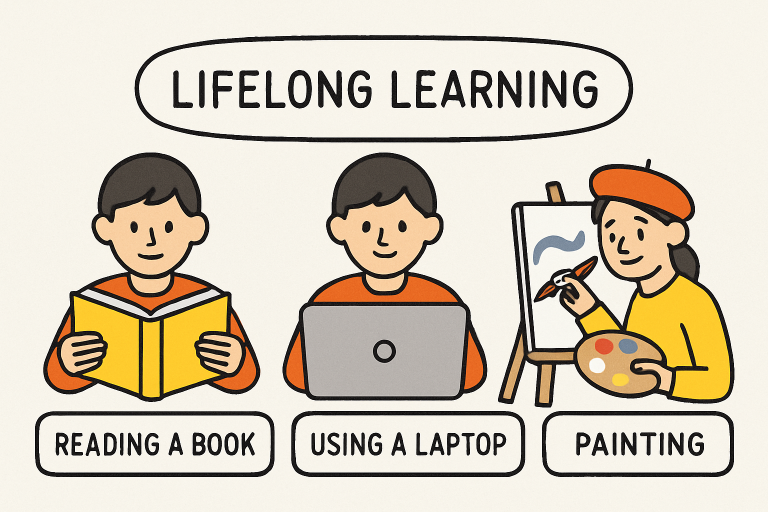
Local workshops held at community centers or colleges provide hands-on learning opportunities close to home. Make a habit of reading, whether you engage with books, research journals, or well-curated online publications. These habits help keep your mind informed and alert.
Attend conferences and participate in professional associations to stay connected with leaders and peers within your field. These environments provide access to the latest knowledge, trends, and opportunities to engage with others who share your passion for learning.
Overcoming Barriers to Lifelong Learning
Common barriers to ongoing education include time, costs, and access to resources. However, there are many ways to overcome these obstacles. Flexible online courses, microlearning options, and free educational tools are available to anyone motivated to participate. Scholarships and employer-sponsored training also play a significant role in making learning accessible for all.
The Role of Employers in Promoting Continuous Education
Organizations that provide ongoing training, encourage further education, and foster a culture of shared learning experience have higher employee retention, satisfaction, and productivity. Forward-thinking employers view support for continuing education as a key investment in their workforce and company success. Encouraging lifelong learning benefits both the employee and the organization as a whole.
Conclusion
Lifelong learning is crucial for personal fulfillment and professional success in today’s dynamic world. By making education an everyday priority, individuals equip themselves to meet new challenges, achieve their goals, and build lasting connections. The journey of learning is continuous and immensely rewarding for those willing to embrace it.