

Dental implant procedures continue to evolve rapidly, providing enhanced outcomes and greater predictability for patients and clinicians alike. With technological advancements, innovative materials, and evolving clinical protocols, modern implantology is focused on efficiency, aesthetics, and patient comfort. The Pikos Institute is among the leading educational centers dedicated to disseminating these innovations to dental professionals and improving global standards of care.
Staying up to date with the latest trends in dental implants is now more important than ever. Patients are seeking procedures that not only restore function and aesthetics but also prioritize long-term health and minimal disruption to their daily lives. Implant practices that embrace digital workflows, cutting-edge materials, and patient-centered technologies are increasingly setting the standard in dental care.
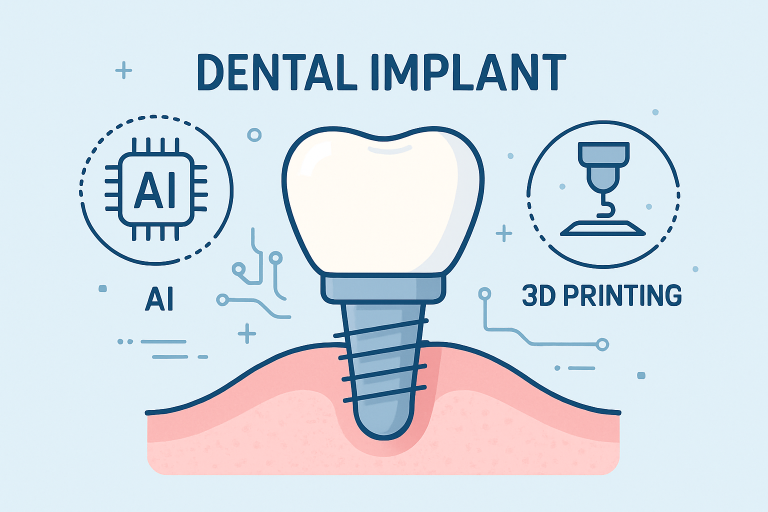
Digitalization, smart technologies, and a growing emphasis on holistic solutions are reshaping how dental implants are planned, placed, and maintained. From artificial intelligence to 3D-printed implants, today’s advancements reflect a commitment to safer, more reliable, and more comfortable solutions for tooth loss.
Given this context, understanding emerging trends is essential not just for industry professionals but also for patients making informed choices about their oral health. By tapping into trusted resources and staying current on new developments, clinicians and patients can work together to achieve superior outcomes.
AI-Powered Treatment Planning
Artificial Intelligence (AI) is at the forefront of enhancing dental implant planning and delivery. Modern AI-based software analyzes digital scans, bone density, anatomical landmarks, and medical histories to recommend custom implant placement strategies tailored to each patient. This reduces human error, enhances surgical precision, and enables detailed simulation of aesthetic outcomes prior to surgery. AI not only improves treatment predictability but also allows patients to preview their new smiles in advance, building confidence and setting clear expectations.
Minimally Invasive Techniques
Patient comfort and expedited healing are driving forces behind the adoption of minimally invasive implant techniques. These include flapless implant surgeries, where small incisions are used rather than traditional gum flaps, reducing surgical trauma and swelling. Immediate load implants, where a temporary crown is placed on the day of surgery, allow individuals to leave the office with a functional tooth replacement. Additionally, technologies such as piezoelectric bone surgery and laser-assisted procedures further minimize trauma and shorten recovery time, while increasing surgical accuracy. These techniques make implants accessible and appealing to a broader range of patients, including those with dental anxiety.
Zirconia Implants: Metal-Free Solutions
Zirconia implants are gaining popularity for their focus on wellness and biocompatibility, offering a high-strength, metal-free ceramic alternative for patients with metal sensitivities or aesthetic concerns. Their natural tooth-like color and superior biocompatibility minimize allergic reactions and enhance gum health, making them ideal for noticeable areas in the smile line. Patients interested in holistic or metal-free dental options find zirconia implants align with their health objectives while supporting oral functionality. Additionally, these implants ensure excellent integration with bone and gum tissue, providing long-term stability and aesthetics without compromising health.
3D Printing and Customization
Three-dimensional (3D) printing is redefining standards for customization in dental implantology. This technology enables clinicians to quickly and efficiently design and produce patient-specific implants and precise surgical guides. With 3D printing, surgeries can often be planned virtually in advance, allowing for a near-perfect fit and minimizing time on the operating table. This personalized approach improves comfort, enhances outcomes, and reduces overall costs, while streamlining the entire treatment process.
Smart Implants with Embedded Sensors
The latest frontier in dental implants involves integrating smart sensor technology. New-generation smart implants can monitor local tissue health, detect early signs of infection, and transmit key health data to practitioners remotely. These innovations help reduce the risk of complications, facilitate early intervention, and ensure that both dentists and patients have access to up-to-date information about implant health. As the field matures, smart sensors are likely to become a routine part of advanced implantology, enabling proactive, personalized care.
Conclusion
The rapid evolution of dental implant procedures reflects a broader commitment to delivering safer, more predictable, and more comfortable outcomes for patients. By incorporating advanced technologies such as AI, 3D printing, and smart sensors, and selecting innovative biomaterials, dental professionals can better meet the needs and preferences of today’s patients than ever before. As digitalization and holistic approaches continue to gain momentum, the future of implantology is set to become even more personalized, accessible, and patient-centered. Staying engaged with these changes ensures that both clinicians and patients achieve the best possible results in oral rehabilitation.