

Environmental awareness is transforming how we approach home design, with more homeowners seeking out sustainable options for every element, including flooring. Hardwood flooring remains a popular choice due to its natural beauty and longevity, but recent innovations have made it possible to choose eco-friendly hardwoods without sacrificing style. Partnering with knowledgeable experts like Soen Hardwood can help you navigate several sustainable options suitable for any home.
Whether you are renovating a space or installing floors in a new build, opting for sustainable hardwood flooring options can reduce your environmental footprint. Today’s market offers an array of environmentally responsible materials, along with important certifications to consider when making your selection. Prioritizing longevity and responsible sourcing protects both your investment and the planet for future generations.
From carefully managed forests to reclaimed timbers and rapidly renewable alternatives, there are more eco-friendly flooring choices than ever before. With each option comes unique benefits that respond not only to design preferences but also to the urgent need for environmental stewardship. Understanding these choices will empower you to create a healthy, beautiful, and sustainable living environment.
This comprehensive guide explores certified hardwoods, reclaimed and engineered woods, and innovative materials such as bamboo and cork. It also delves into the importance of low-VOC finishes and spotlights key trends shaping the market toward greater sustainability.
FSC-Certified Hardwood
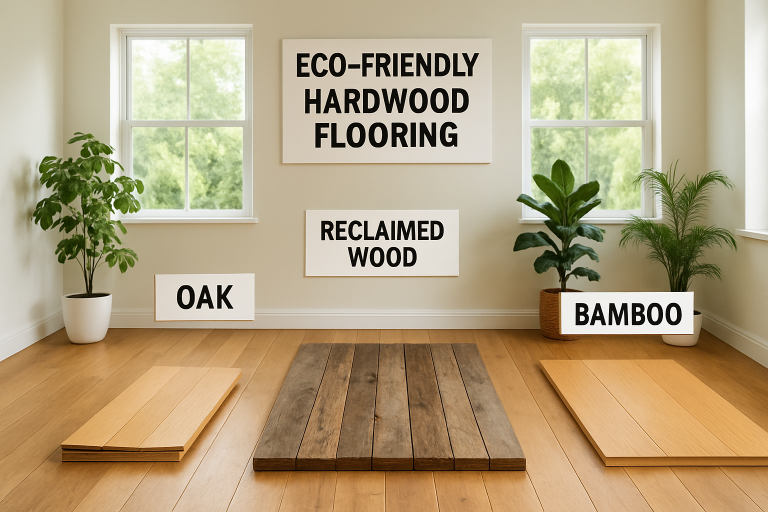
One of the most important considerations in sustainable hardwood flooring is responsible sourcing. The Forest Stewardship Council (FSC) sets the gold standard for responsible forestry. Selecting FSC-certified hardwood flooring assures consumers that the wood was harvested from forests managed under strict environmental, social, and economic standards. Common options include oak, maple, and cherry, all available in a range of finishes to complement design aesthetics while remaining eco-conscious. Certification not only supports conservation efforts but also benefits local communities.
Reclaimed Wood
Reclaimed wood flooring is a choice rooted in both sustainability and character. By salvaging wood from old barns, warehouses, and historical sites, this option diverts usable materials from landfills and reduces demand for newly harvested timber. Reclaimed wood displays unique weathered textures, authentic patinas, and often comes with a historical backstory that adds richness to interior spaces. In addition to its environmental benefits, this flooring offers one-of-a-kind aesthetics that cannot be replicated by new materials.
Engineered Wood
Engineered wood flooring strikes a balance between sustainability and performance. It consists of a thin hardwood veneer mounted over multiple layers of plywood or fiberboard, maximizing the use of each log. When responsibly sourced and manufactured with low-VOC adhesives, engineered wood can be both eco-friendly and durable. It is also more dimensionally stable than traditional hardwood, making it suitable for challenging installations such as basements or over radiant heating systems.
Bamboo and Cork
Bamboo and cork floors have surged in popularity due to their rapid renewability. Bamboo, technically a grass, can be harvested every three to five years and is renowned for its strength and contemporary look. Cork is produced from the outer bark of cork oak trees, which regenerates within approximately nine to twelve years, allowing the tree to remain healthy and productive. Both materials are hypoallergenic and naturally resistant to mold and mildew, making them particularly suitable for households with allergy sensitivities. Their remarkable renewability aligns with the goals of a sustainable lifestyle.
Low-VOC Finishes
Traditional flooring finishes often contain volatile organic compounds (VOCs) that pollute indoor air and negatively impact health, especially for children and those with respiratory sensitivities. Low-VOC or plant-based finishes minimize these risks, ensuring better air quality throughout the home. Modern manufacturers offer finishes that are both durable and environmentally responsible, meeting the increasing demand for healthier living spaces. Choosing these products not only protects your household but also demonstrates a commitment to sustainable living.
Thermally Modified Hardwood
Thermally modified hardwood offers durability and longevity without chemical treatments. Through a heat-based process, the wood becomes less susceptible to moisture, insects, and decay. This extends its lifespan, especially in environments prone to humidity and weather exposure, and significantly reduces the maintenance required over time. As a result, thermally modified woods have a lower overall environmental impact than conventional pressure-treated lumber.
Domestic Hardwood Species
Opting for domestic hardwood species such as oak, maple, and hickory supports local forestry industries and reduces emissions associated with overseas transportation. Many domestic woods are sourced from managed forests with strong environmental regulations, ensuring sustainability without sacrificing quality. Furthermore, these species are readily available in a range of colors and grains, making them well-suited to both classic and contemporary interior designs.
Sustainable Flooring Trends
The current wave of sustainable flooring trends reflects a collective move toward blending functionality with responsibility. Matte and low-gloss finishes are widely sought after for their earthy, understated aesthetics and for highlighting a floor’s natural grain and character. Designers and homeowners are increasingly mixing plank widths, or even combining different species, to create custom looks that are as unique as they are eco-friendly. Personalized flooring, combined with materials sourced through responsible forestry, is shaping the future of home interiors. For a broader understanding of the environmental benefits of green building products, you can explore resources from Consumer Reports’ Guide on Selecting the Best Flooring.
Conclusion
Modern hardwood flooring offers homeowners the opportunity to combine style, durability, and environmental responsibility. By choosing sustainably sourced, rapidly renewable, or reclaimed materials, and pairing them with low-VOC finishes, you can create a beautiful, long-lasting floor that supports both your health and the planet. Thoughtful selection and awareness of emerging trends ensure that your flooring not only enhances your home’s aesthetic but also contributes to a more sustainable future.