

Achieving and maintaining a healthy weight can be a complex, lifelong journey. Medical weight loss clinics provide comprehensive support that goes beyond typical diet and exercise advice, using evidence-based approaches and a team of specialized healthcare professionals. Through structured, science-backed programs, patients are empowered to overcome weight challenges and improve overall well-being. Garcia Weight Loss is one example of a clinic that offers this multidisciplinary and individualized support tailored to each person’s unique health needs.
Clinics like these recognize that lasting weight loss requires an understanding of each individual’s health history, genetics, lifestyle, and personal goals. By developing customized care plans and offering ongoing, medically supervised support, patients are better positioned to achieve sustainable weight management and reduce future health risks.
This approach includes integrating medical advancements, such as prescription medications, with targeted lifestyle changes and behavioral therapies. When combined with recent technologies, such as telehealth visits and digital coaching, access to effective weight loss solutions has become more convenient than ever for people seeking long-term results.
In addition, the supportive environment of medical weight-loss clinics fosters accountability and provides expert guidance at every stage of the weight-management process. These clinics are designed to adapt over time to meet patients’ changing needs, helping them navigate obstacles and stay motivated on their health journey.
Personalized Care in Medical Weight Loss Clinics
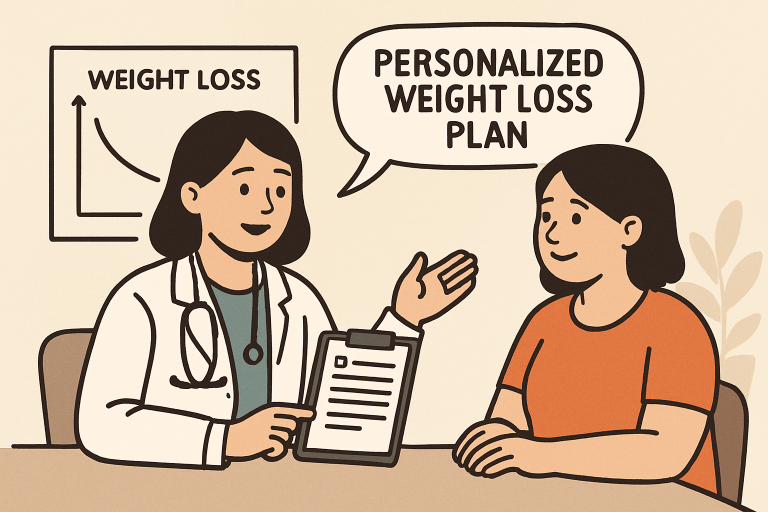
Medical weight loss clinics set themselves apart by offering highly individualized care plans. Every initial assessment considers a patient’s medical conditions, lifestyle, genetic makeup, and psychological well-being. Physicians and registered dietitians collaborate to design programs that may include nutritional counseling, exercise recommendations, medication, and routine health monitoring.
Personalization leads to better results because strategies are crafted to fit the individual, rather than assigning generalized diet or activity plans. For example, a person with metabolic syndrome or a thyroid disorder may require a different approach than someone with a primarily sedentary lifestyle or emotional triggers for overeating. By addressing the full spectrum of influences on a patient’s weight, these clinics optimize outcomes and reduce the risk of complications, as highlighted by resources such as the CDC guidelines.
Integrating GLP-1 Medications with Lifestyle Modifications
There has been growing interest in the role of GLP-1 receptor agonists, a class of medications developed initially for diabetes care, in the treatment of obesity. These medications help regulate appetite and blood sugar levels, making them an appropriate option for some patients pursuing medical weight loss. However, research shows that optimal, long-lasting results are achieved when medication is combined with lifestyle modifications, including diet, physical activity, sleep, and stress management. In fact, a Cleveland Clinic study found that patients who paired bariatric surgery with comprehensive behavioral and lifestyle support experienced greater sustained benefits than those relying on medication alone. See this Cleveland Clinic study for more insight into these integrative approaches.
Medical weight-loss professionals closely monitor patients to assess the appropriateness of GLP-1 medications and make dose adjustments as needed. More importantly, they support patients in establishing healthy habits as a core part of daily life, so the benefits of medical interventions can be sustained long after the program ends.
Technological Advancements in Weight Management
The increasing integration of digital tools and platforms into weight managementclinics has expanded both the reach and effectiveness of these programs. Telemedicine allows patients to consult with medical providers from home, eliminating the need for travel and increasing convenience, especially for those with busy schedules or limited mobility. Digital health platforms often include components such as remote monitoring, mobile app-based coaching, and online support communities, enabling patients to track progress and engage with their care teams in real time.
Advancements in these areas not only widen access but also provide ongoing motivation and accountability. According to a review by the National Heart, Lung, and Blood Institute, the use of telehealth and mobile coaching is significantly improving adherence and long-term outcomes in patients undergoing weight loss. These tools are helping people maintain momentum between clinic visits and supporting better communication with healthcare professionals. More details about these approaches and their benefits can be found in the report by the National Heart, Lung, and Blood Institute.
Behavioral Therapies and Nutritional Guidance
Addressing the behavioral and psychological components of weight management is essential for achieving long-term success. Many clinics incorporate evidence-based behavioral therapies, such as cognitive-behavioral therapy (CBT), which help patients identify and alter the patterns and habits that contribute to weight gain. Emotional eating, stress, and negative self-image often play significant roles in weight fluctuation. By working with mental health professionals, patients develop healthier coping mechanisms and strategies to maintain their progress.
Nutritional guidance goes beyond calorie counting, focusing on practical strategies for balanced eating and better choices in everyday life. Personalized nutrition plans are designed to be realistic and sustainable, taking into account food preferences, cultural backgrounds, and any medical limitations. More details about these approaches and their benefits can be found in the report by the National Heart, Lung, and Blood Institute.
Ongoing Support and Monitoring
One of the most powerful features of medical weight-loss clinics is their emphasis on continuous support and follow-up. Regular appointments and check-ins provide opportunities to review progress, adjust treatment plans, and address barriers to change. Clinics may use data from physical exams, body composition analysis, and digital health tracking to inform decision-making and offer tailored feedback.
Ongoing monitoring has been shown to reduce the risk of weight regain, according to recent data featured by The New York Times. Support mechanisms such as peer groups, health coaching, and readily accessible medical advice keep patients motivated and engaged as they reach their health goals.
Conclusion
Medical weight loss clinics provide an evidence-based, multifaceted approach to achieving and maintaining a healthy weight. By combining personalized care, the latest medical interventions, behavioral and nutritional expertise, and cutting-edge technology, these clinics help patients secure long-term wellness. With ongoing support and a collaborative care model, individuals are guided every step of the way, enhancing their likelihood of lasting success and a healthier future.