


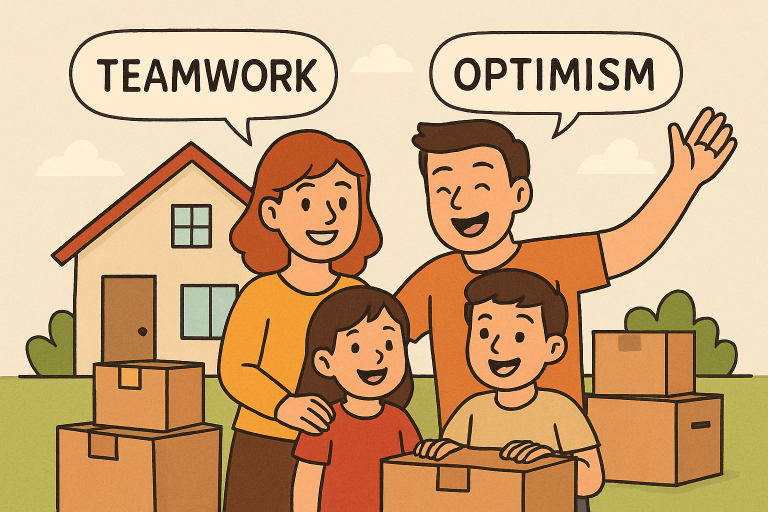
Moving as a family is a pivotal life event that brings a blend of hope, change, and sometimes uncertainty. Setting the tone early with positivity and thorough preparation can transform this challenging time into a rewarding experience. Seeking support from experienced professionals, such as Checkmate Moving, can offer practical guidance and ease logistical pressures, allowing families to focus on each other during the transition.
While a move often signals new beginnings and opportunities, both parents and children usually feel nervous about leaving behind familiar routines and spaces. Taking steps to address emotional needs, explain the process clearly, and create a sense of ownership over the journey benefits everyone involved. Small gestures, honest conversations, and shared excitement pave the way to a smoother settling-in process.
Open Communication
Open dialogue is a cornerstone of any successful family move. Talking honestly with children about the reasons behind the move can dramatically lessen the anxiety they feel. Encourage children to ask questions and share their concerns, and respond with patience and reassurance. Transparent communication helps dispel fears and fosters trust and security. Parent-focused resources, such as Parents.com, recommend addressing both the practical and emotional implications with age-appropriate honesty.
Involving Children in the Process
Involving children in the moving process can be highly empowering and reassuring. Allowing them to pack their own belongings, choose how their new room is arranged, or select decorations gives them an active role in the transition. This participation fosters a sense of control and independence, helping to ease the anxiety or sadness that often comes with leaving a familiar home. Additionally, these shared activities strengthen family connections, turning moving into a collaborative experience. By focusing on the exciting possibilities of a new space, children can approach the change with curiosity and positivity.
Maintaining Routines
Regular routines offer essential comfort during periods of change. Maintaining consistency in daily schedules, such as meal times, bedtimes, and play periods, helps reduce stress, especially for younger children. As recommended by the Boston Children’s Hospital, familiar rituals signal safety and stability even amidst the boxes and chaos of packing. These touchpoints keep family life steady and predictable, which is critical during a major transition.
Preparing for the New Environment
Exploring your new community together before the move is an effective way to dispel unease. Visiting parks, meeting neighbors, and touring local attractions can make the unknown feel more familiar. Researching schools, recreation centers, and other amenities online allows families to build anticipation for what their new home has to offer. Encouraging children to visualize and look forward to upcoming experiences can transform their outlook from apprehension to excitement.
Packing Strategies
Efficient packing is instrumental in reducing stress and chaos. Categorize family belongings and clearly mark boxes by room and priority. Each family member should have an essentials kit with toiletries, a change of clothes, medications, and comfort items, such as favorite toys or books for children. This significant feature eliminates the panic of searching for necessities and offers immediate comfort after moving into the new home. Streamlining the packing process also helps minimize disruptions to daily life in the final days before the move.
Moving Day Tips
Moving day can be hectic, so keeping children engaged and comforted is a top priority. Assign age-appropriate tasks, or let younger children enjoy games, coloring books, or simple crafts. Having their essentials kit on hand ensures comfort no matter how busy the day becomes. Consider designating a quiet space for children to decompress if the activity becomes overwhelming. Creating a structured but flexible environment helps everyone manage their emotions through each stage of the move.
Settling In
Unpacking and arranging children’s rooms is a key step in helping them adjust. Allow them to decide where their favorite items belong and how to personalize their new space. This immediate sense of ownership fosters a sense of belonging and soothes the discomfort of change. While the rest of the house falls into place, having their own haven can make a world of difference in how quickly children embrace their new surroundings.
Seeking Professional Help
Sometimes, external support is necessary to keep the move on track. Consider working with a professional move manager or therapist if the process becomes overwhelming for any family member. These experts offer both logistical coordination and emotional support, allowing families to devote more time and energy to each other. Knowing when to reach for a helping hand is a vital form of self-care during such a major life event.
By planning, creating a supportive environment, and utilizing available resources, families can transform moving day from a stressful event into an exciting experience. Clear communication and maintaining familiar routines help ease transitions for all members, while focusing on emotional well-being ensures everyone feels secure and included. Embracing these strategies encourages adaptability, reduces anxiety, and fosters a sense of teamwork. With thoughtful preparation and attention to each family member’s needs, moving becomes more than a logistical task; it becomes a positive, energizing start to a new chapter.