


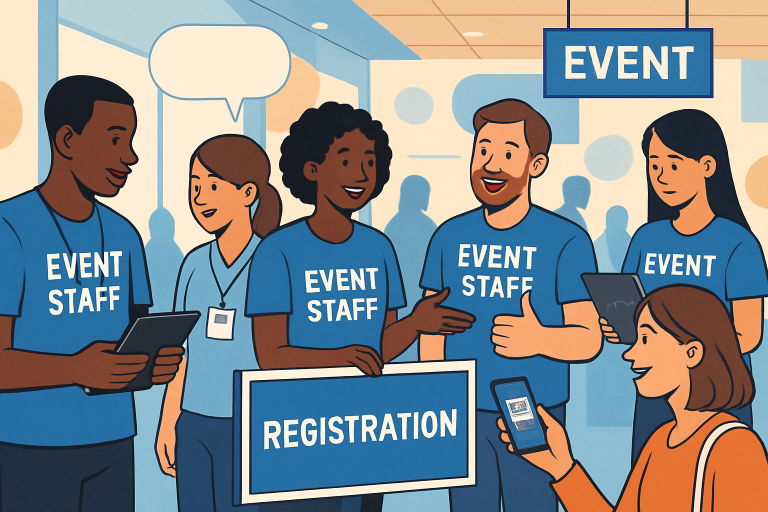
In the rapidly evolving world of live events, the importance of strategic staffing cannot be overstated. Event staffing agencies have become more than personnel providers; they now partner closely with event organizers to shape unique and impactful experiences. From tech-driven solutions to proactive guest engagement, the work of agencies such as Assist Marketing shows how the industry is innovating to meet shifting expectations. Modern event professionals are pushing past logistical basics, recognizing that every attendee interaction, whether in person or virtual, affects overall event success.
The new landscape of events includes everything from environmentally responsible practices to adaptive hybrid formats. It takes more than technical skills to deliver exceptional results. Today’s staffing agencies help foster inclusivity, prioritize health and safety, and unlock actionable data insights that help events excel. The value they add ranges from behind-the-scenes coordination to enhancing the moments guests remember most.
With events serving as pivotal touch points for brands, communities, and causes, relying on seasoned staffing solutions is crucial. This transformation mirrors broader shifts in professional environments, where efficiency, inclusion, and innovation are paramount. The roles event staffing teams play continue to evolve in tandem with audience demands and industry trends, reaffirming their essential place at the heart of modern experiences.
Across trade shows, product launches, festivals, and conventions, the impact of a skilled staffing partner can be seen in everything from smoother entry queues to the warmth of personalized guest welcomes. Their expertise ensures that every aspect, from the flow of foot traffic to the smallest guest interaction, is handled with care and precision.
Integrating Advanced Technology
Technological advancements have allowed staffing agencies to take event execution to new levels of efficiency and personalization. From AI-driven scheduling that matches the best possible staff to specific event needs, to mobile-based check-in systems that confirm staff arrival through GPS, agencies are minimizing friction and maximizing impact. According to Event Marketer, these tools not only reduce administrative burdens but also enable agencies to respond quickly to real-time developments. Staff are now equipped with smart devices and direct access to event management platforms, improving communication and empowering frontline teams to respond to attendee needs instantly.
Emphasizing Sustainability
Modern event planning increasingly demands sustainability, and staffing agencies are taking a hands-on role in advancing these goals. Many agencies now provide specialized training in eco-friendly practices, including waste diversion, energy conservation, and responsible sourcing. By deploying sustainability-focused teams, events can reduce their environmental impact while encouraging attendees to do the same. The push for greener events is also supported through partnerships with suppliers and the careful selection of materials, in line with broader global efforts toward corporate responsibility and more sustainable operations, as noted in TIME.
Prioritizing Diversity and Inclusion
Creating events that feel welcoming and represent all guests is a top priority for many organizations, and staffing agencies are crucial to advancing this mission. By hiring from a broad range of backgrounds and experiences, agencies help ensure staffing teams reflect the diversity of event audiences. This commitment goes beyond optics: staff who bring cultural competence and multilingual abilities can connect with and support guests more meaningfully. Agencies are increasingly investing in inclusive recruiting practices and specialized training to build teams that contribute to equitable and respectful event spaces.
Enhancing Guest Experience
The shift in staffing focus extends from operational expertise to guest engagement. Staff are now seen as ambassadors for the host organization, responsible for delivering a positive first impression and ongoing support throughout the event journey. As Forbes highlights, exceptional staff can elevate experiences, foster brand loyalty, and create lasting memories for attendees. Agencies are therefore prioritizing soft skills, hiring team members who are personable, proactive, and able to resolve guest issues on the spot. Whether answering questions, guiding guests, or delivering specialized services, effective staff make each guest feel valued and cared for.
Adapting to Hybrid Event Formats
Hybrid events have emerged as a flexible solution in response to global disruptions, combining physical and digital participation. Staffing agencies have adapted by introducing roles such as virtual event moderators, technical troubleshooting teams, and digital concierge services. These staff members ensure both in-person and remote attendees enjoy a seamless, engaging experience by bridging technological divides and facilitating interactions across platforms. Hybrid formats require agencies to be more agile than ever, embracing new technologies and evolving best practices to keep every event element synchronized regardless of location.
Focusing on Health and Safety
Ensuring safety has become central to event planning, particularly amid health concerns affecting public gatherings. Agencies now train staff in health protocols, emergency response, crowd management, and sanitation measures that reduce risk for all stakeholders. Clear communication about safety procedures, visible adherence to guidelines, and rapid on-site reactions all contribute to boosting attendee confidence and compliance. These methods not only safeguard the success of an event but also reflect positively on hosts and their partners.
Leveraging Data-Driven Insights
The ability to collect, analyze, and act on event data is a powerful differentiator for modern staffing agencies. By tracking metrics such as guest engagement, staff performance, and attendee feedback, agencies can refine both their processes and the experience of future events. Data-driven staffing ensures optimal coverage during peak times, identifies training needs, and allocates resources where they are needed most. This results in better event outcomes and allows for a cycle of continuous improvement, ultimately benefiting planners, staff, and guests alike.
Conclusion
Event staffing agencies have evolved into critical partners in creating successful events. Their adoption of advanced technology, sustainability initiatives, commitment to diversity, and emphasis on guest experience have reset the industry’s standards. As trends continue to shift and audience demands grow ever more complex, the expertise and flexibility of the best staffing agencies ensure that events not only run smoothly but leave lasting, positive impressions.